
How To Shoot Portraits With A Wide-Angle Lens

Share

Equipment Used:

Team:

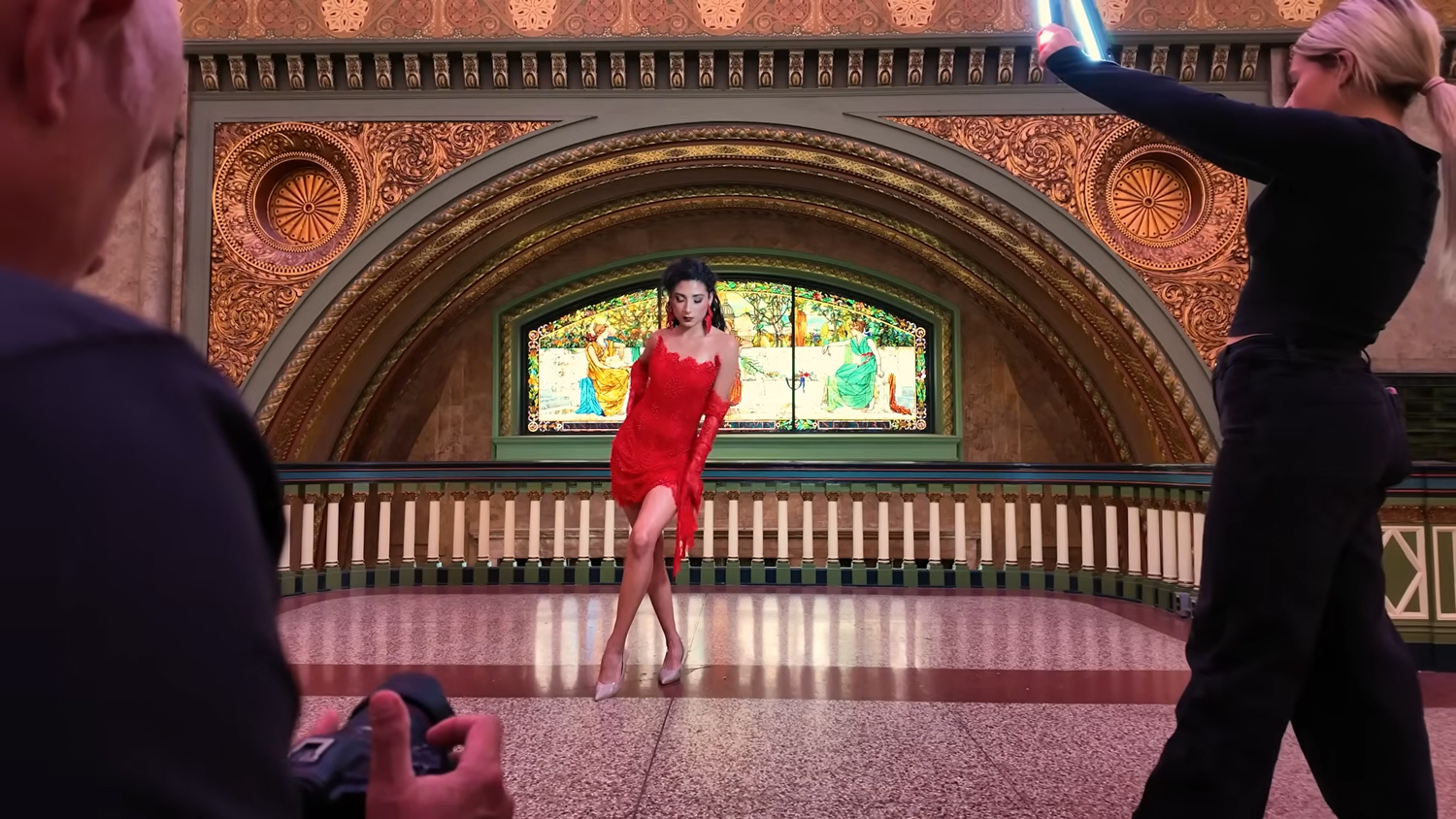
Photographer: Sal Cincotta 

Model: Amaya Grace

Makeup & Hair: Brandi Patton, ReFine Beauty

How To Shoot Portraits With A Wide-Angle Lens

When most photographers think about portrait photography, lenses like the 50mm or 85mm usually come to mind. But if you’ve never experimented with a wide-angle lens for portraits, you might be missing out on a creative way to make your images stand out.

Learning how to shoot portraits with a wide-angle lens can open up new possibilities for fashion photography, senior portraits, weddings, and even boudoir sessions. While wide-angle lenses require a different approach than traditional portrait lenses, they can create dramatic, engaging images that showcase both your subject and the environment around them.

Here are a few tips to help you get the most out of your wide-angle portrait photography.

Use Architecture and Environment

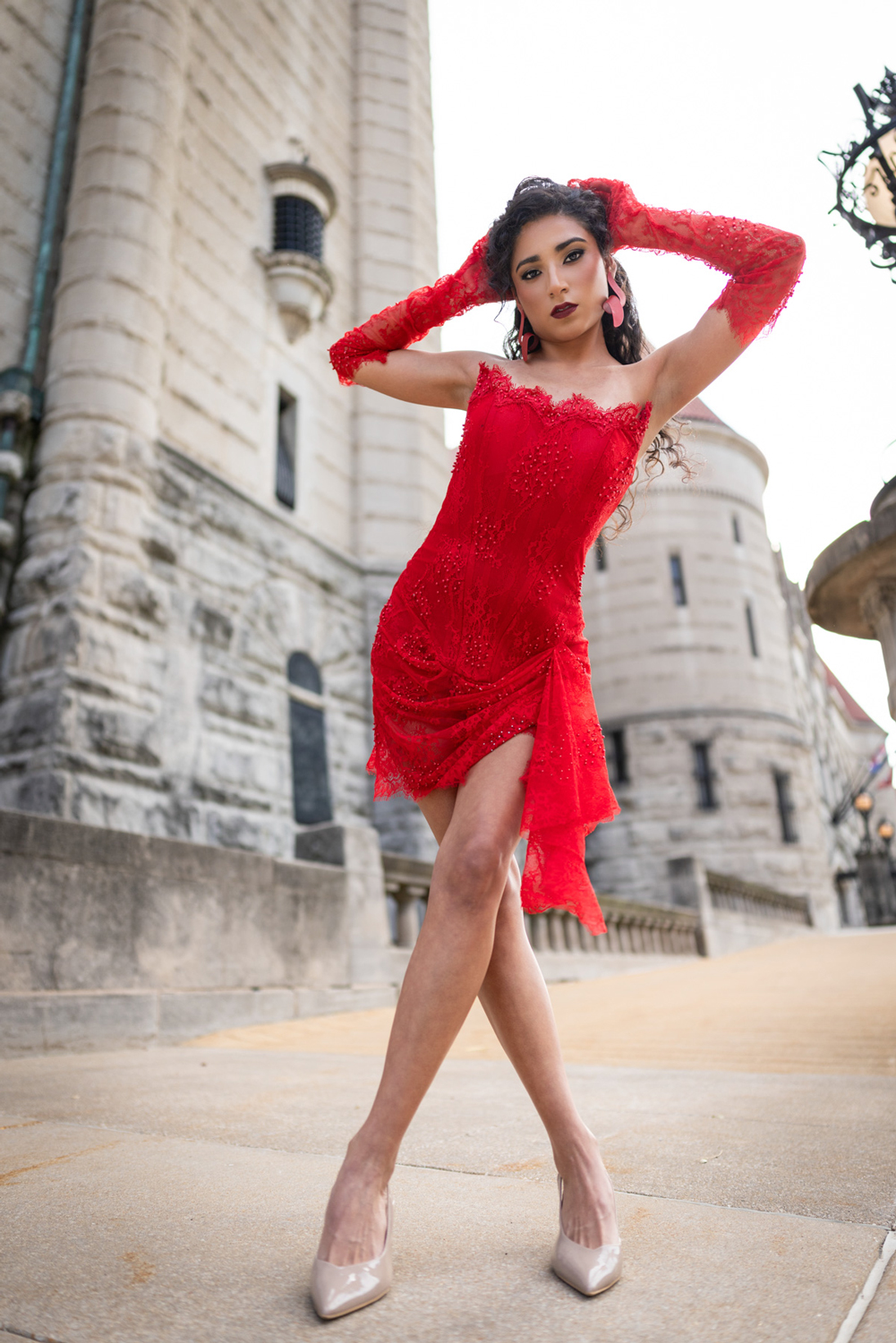
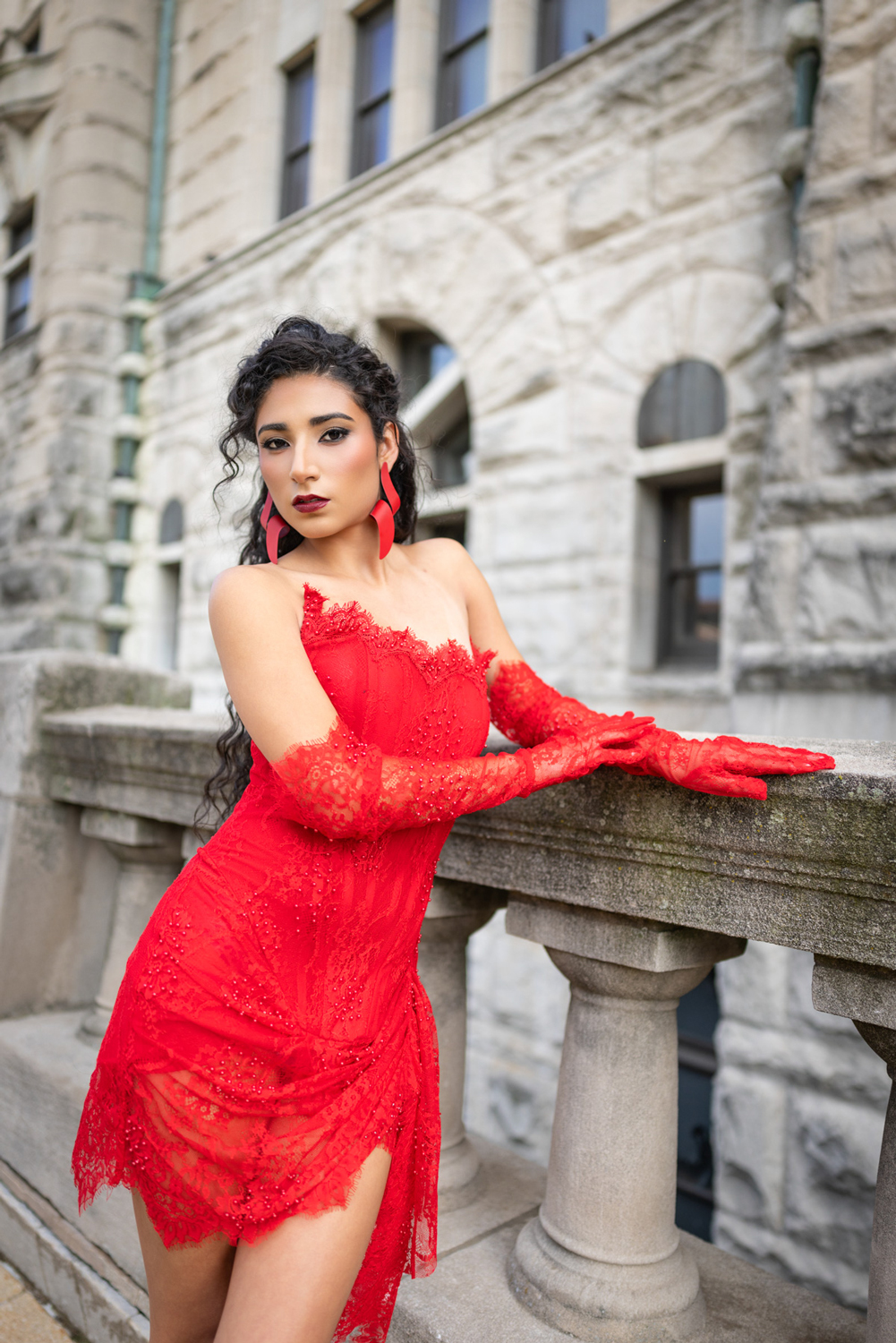
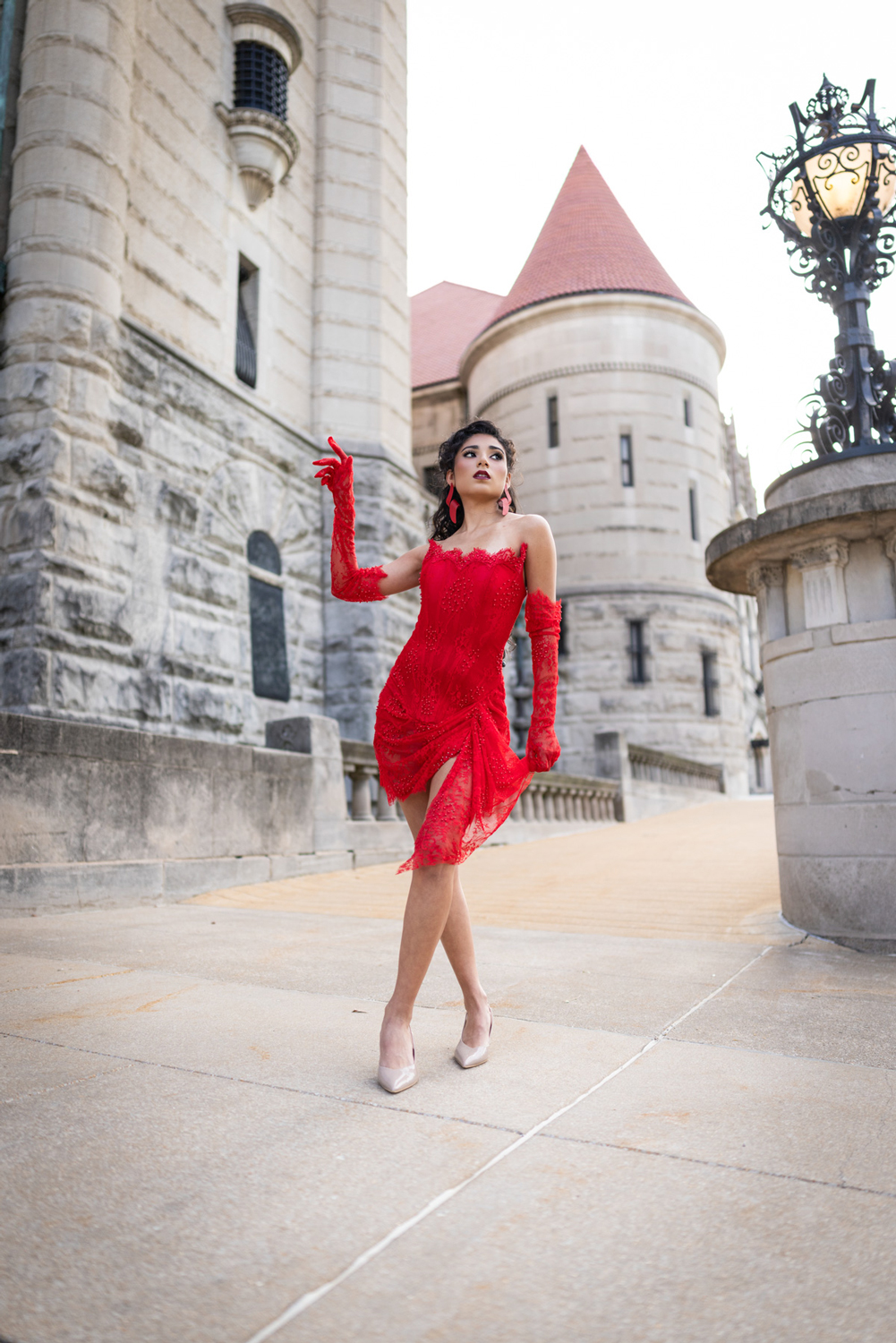
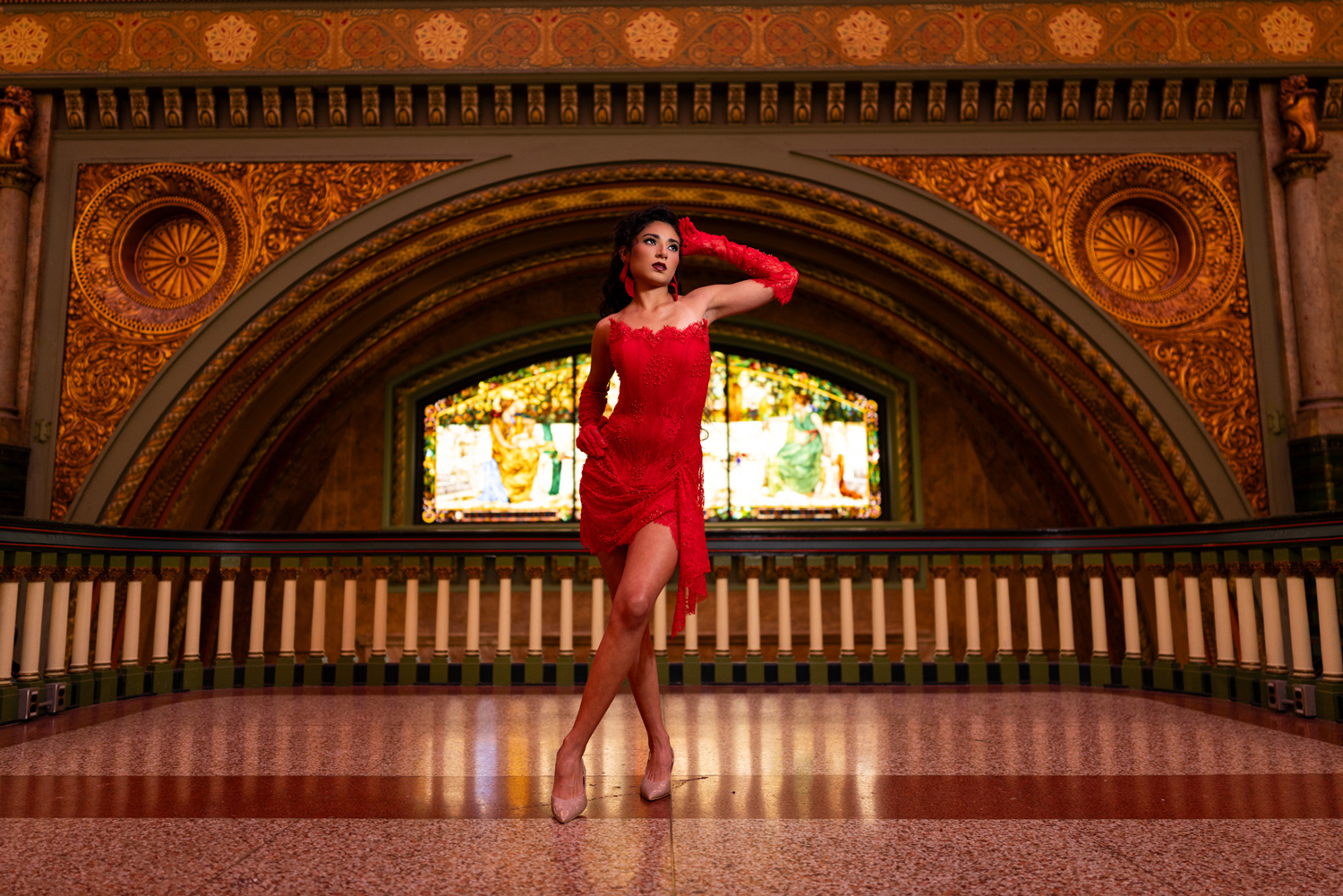
One of the biggest advantages of a wide-angle lens is the ability to include more of the scene. Instead of isolating your subject against a blurry background, you can use architecture, landscapes, or interesting locations to add context and visual impact.

Look for strong lines, symmetry, buildings, or unique surroundings that complement your subject. Wide-angle lenses are especially effective when shooting in urban environments where architecture becomes part of the composition.

The key is to make sure the environment supports the portrait rather than distracting from it.

  f/1.4 @ 1/2000, ISO 100                                                        f/1.4 @ 1/1600, ISO 100

Keep Your Subject Near the Center of the Frame

Wide-angle lenses naturally introduce distortion, especially around the edges of the frame. While modern lens designs have improved significantly, placing your subject too close to the corners can still create unwanted stretching.

To minimize distortion, position your subject closer to the center of the frame whenever possible. This helps maintain natural body proportions and prevents exaggerated features.

If you want a composition that places the subject lower in the frame, consider shooting with extra space and cropping later during editing. This allows you to preserve the dramatic perspective while reducing distortion.

Watch Your Camera Angle

When learning how to shoot portraits with a wide-angle lens, camera angle becomes incredibly important.

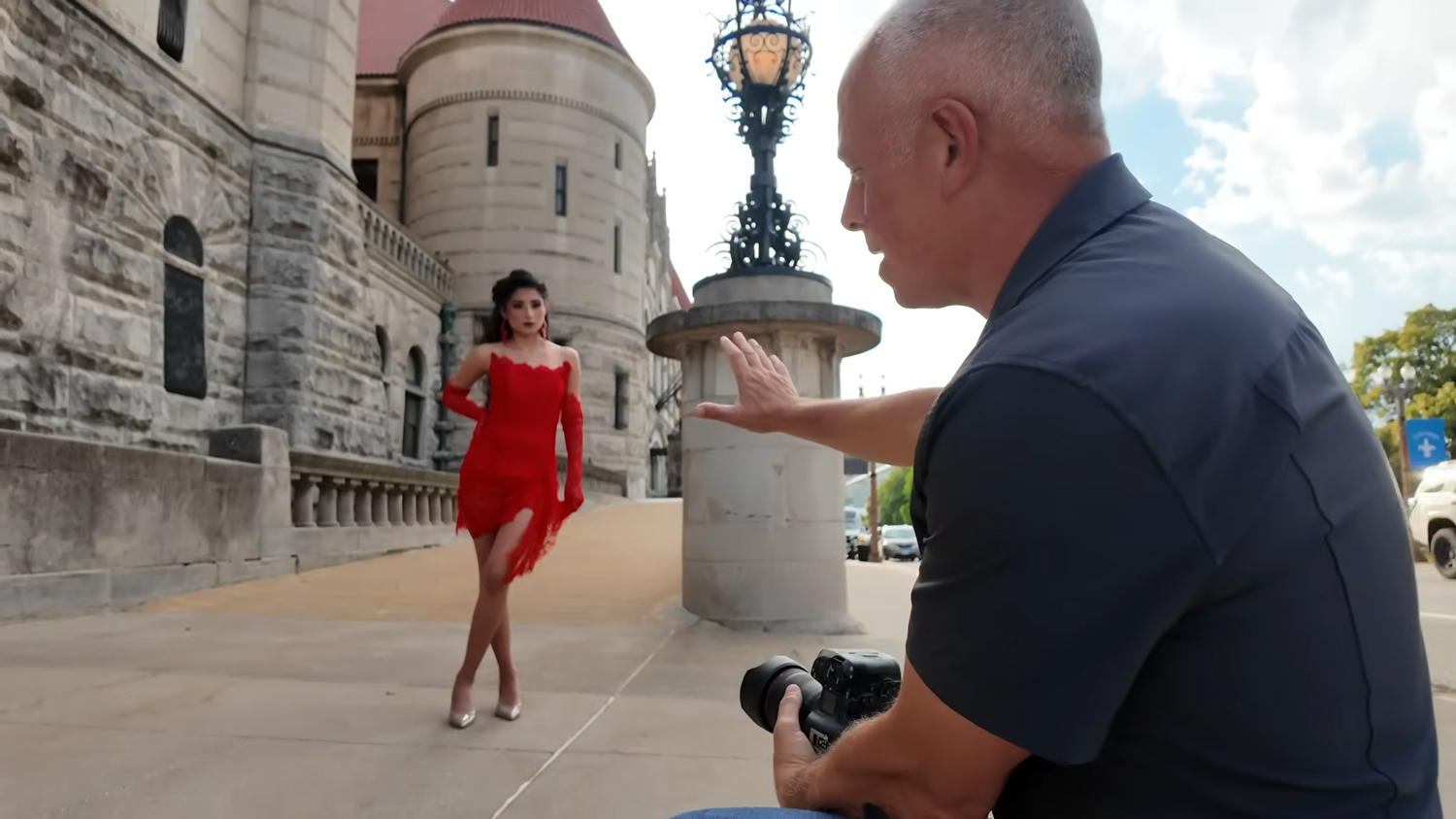
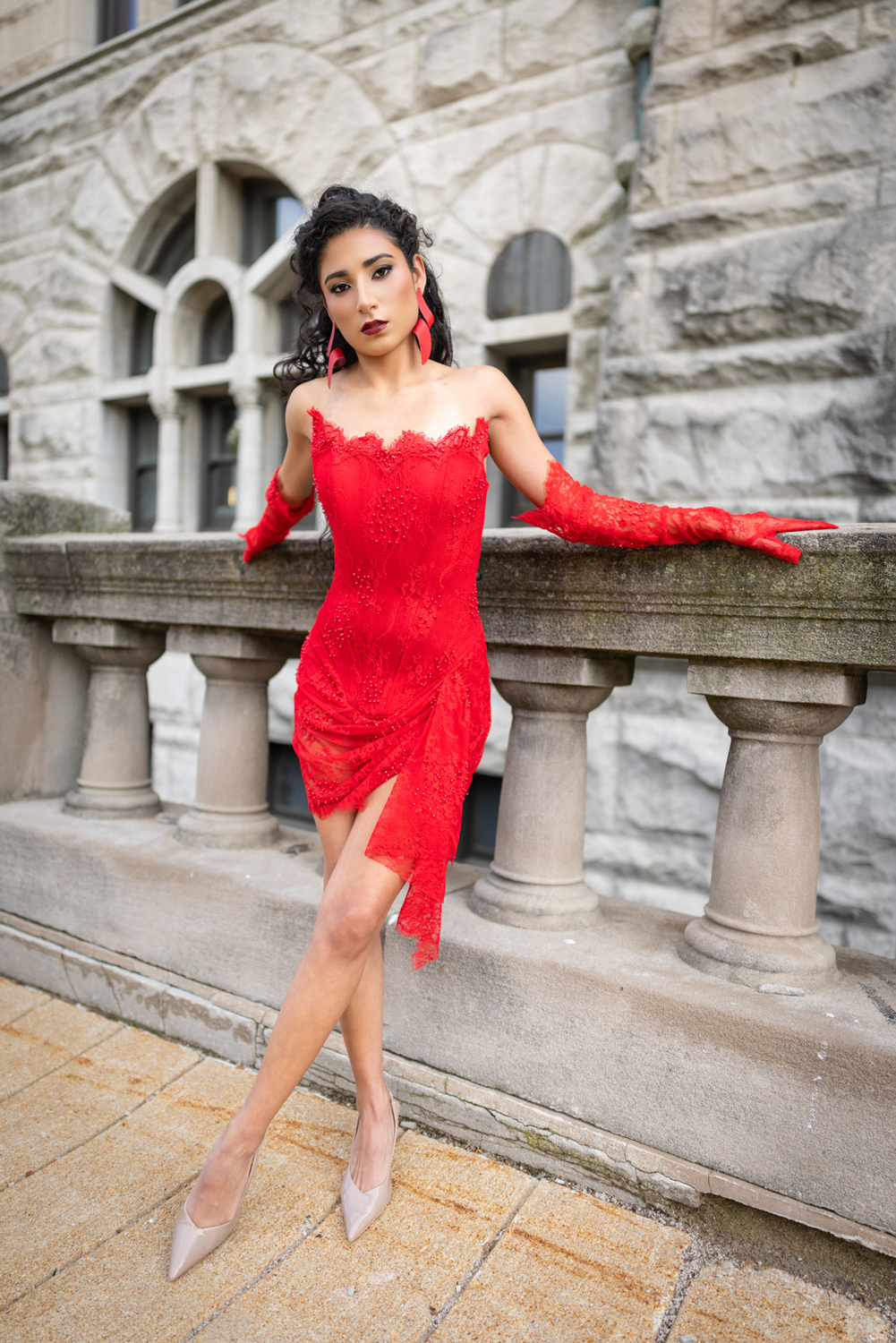
Shooting from a low angle can make your subject appear taller and more powerful. However, it can also create the illusion that the subject is leaning away from the camera.

A simple trick is to have your subject lean slightly forward at the waist. While it may feel exaggerated in person, it looks natural in the final image and helps maintain connection with the viewer.

This technique works especially well for senior portraits, engagement sessions, and fashion photography.

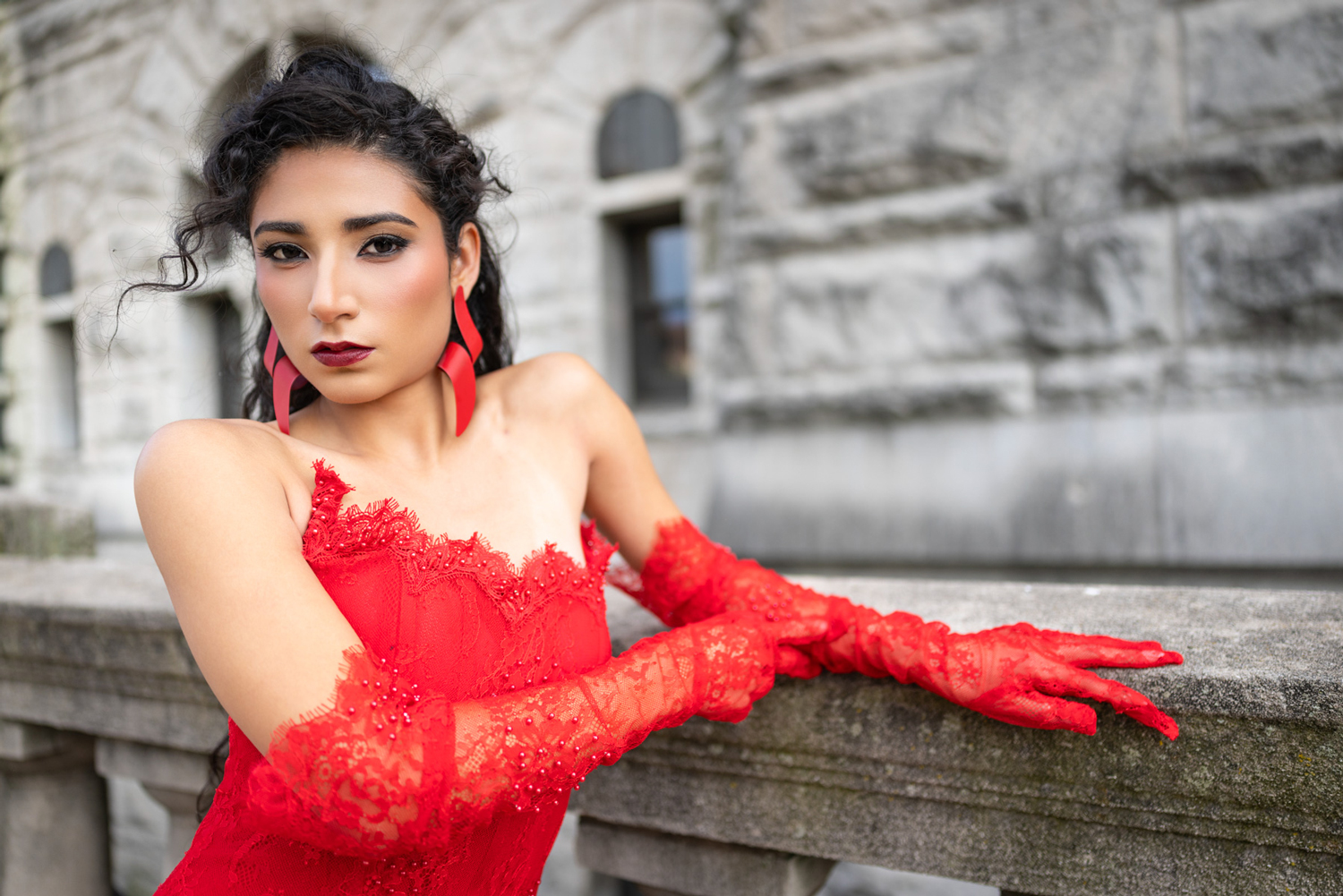
f/1.4 @ 1/2000, ISO 100

Use Distortion Creatively

Not all distortion is bad.

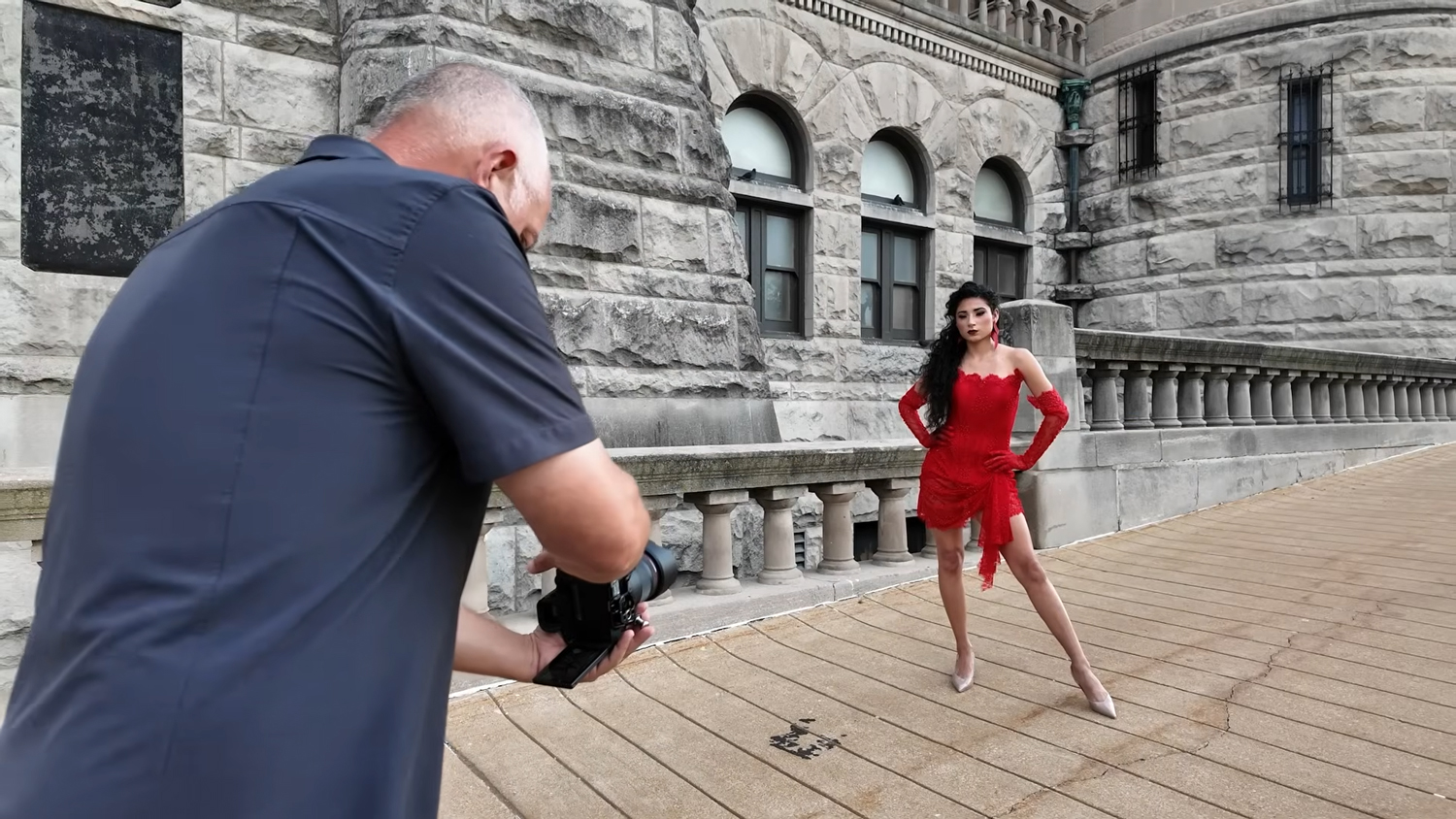
One of the reasons photographers use a wide-angle lens is because it creates a unique perspective that traditional portrait lenses cannot replicate. By moving closer to your subject, you can create dramatic compositions that feel immersive and energetic.

Fashion photographers often use this approach to exaggerate lines, emphasize poses, and create editorial-style images.

The goal is to use distortion intentionally rather than accidentally. Small adjustments in camera position can make a huge difference in the final result.

Get Close to Your Subject

A common mistake photographers make with a wide-angle lens is standing too far away.

The real magic happens when you move closer. Getting physically closer to your subject creates a stronger sense of depth and perspective. It allows the viewer to feel like they are part of the scene rather than simply observing it.

This approach can create portraits that feel bold, modern, and visually engaging while still showcasing the surrounding environment.

Pay Attention to Symmetry

Symmetrical scenes can look incredible when photographed with a wide-angle lens, but they also reveal mistakes quickly.

If you’re photographing hallways, architectural features, doorways, or other symmetrical backgrounds, keep your camera level. Tilting too far left, right, up, or down can cause lines to converge and make the scene appear distorted.

Take a moment to check your framing before pressing the shutter. Maintaining symmetry will help create cleaner, more professional-looking portraits.

f/1.4 @ 1/60, ISO 200

Experiment and Find Your Style

The beauty of a wide-angle lens is that it offers a completely different look than traditional portrait photography. Some photographers love the creative possibilities, while others prefer the compression of longer focal lengths.

There is no right or wrong approach.

The best way to learn how to shoot portraits with a wide-angle lens is to experiment. Try different angles, get closer to your subject, incorporate architecture, and play with perspective. The more you practice, the more you’ll discover creative ways to make your portraits stand out.

A wide-angle lens may not be your everyday portrait lens, but when used intentionally, it can produce some of the most memorable and unique images in your portfolio.

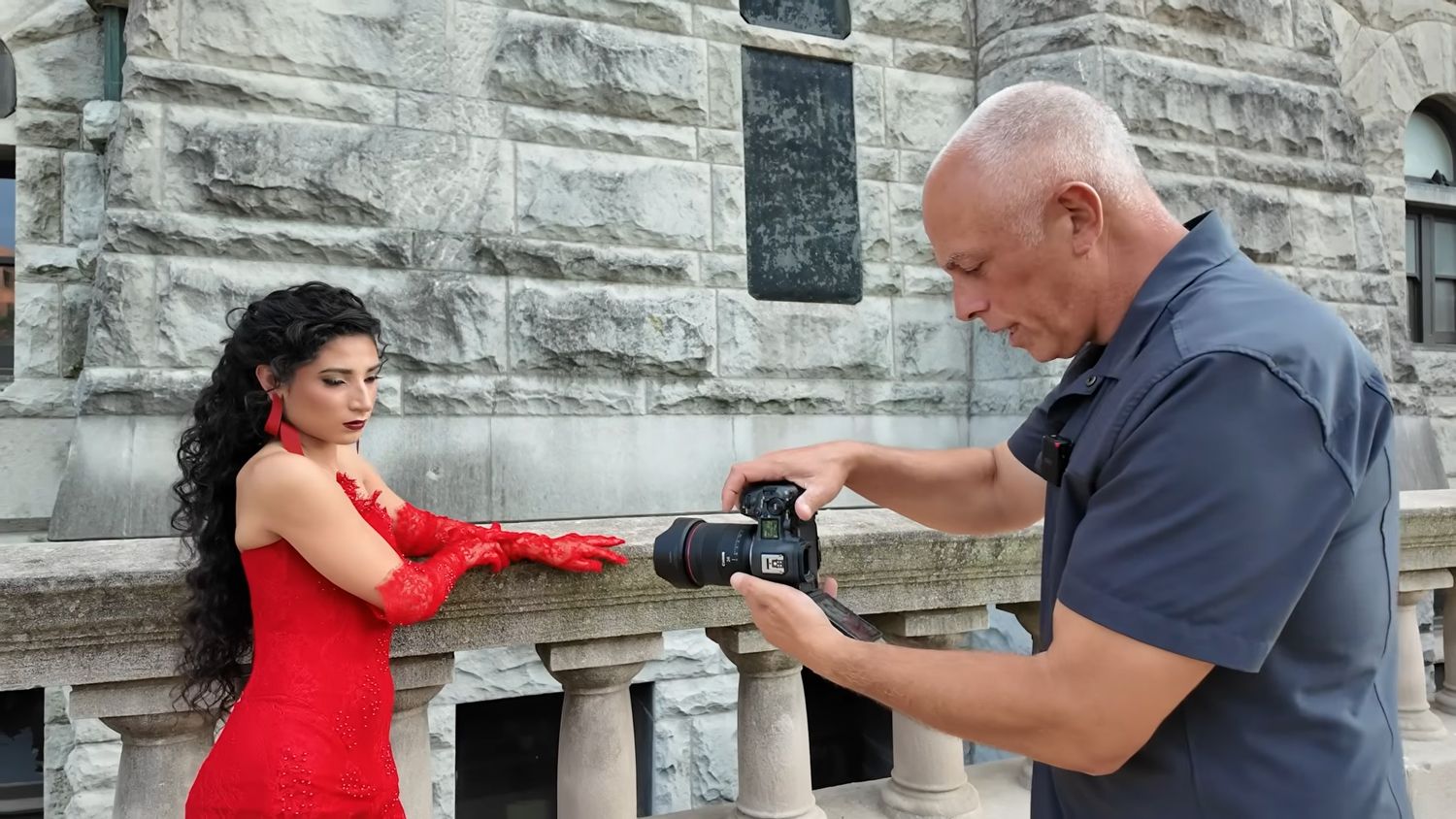
f/1.4 @ 1/2000, ISO 100

Leave a Reply

Want more content like this?

Check out our recent posts