


Portrait Photography Composition Tips
One of the biggest mistakes photographers make is believing they need a perfect location to create a great portrait. The truth is that strong portrait photography has far more to do with composition, lighting, and lens choice than the location itself.
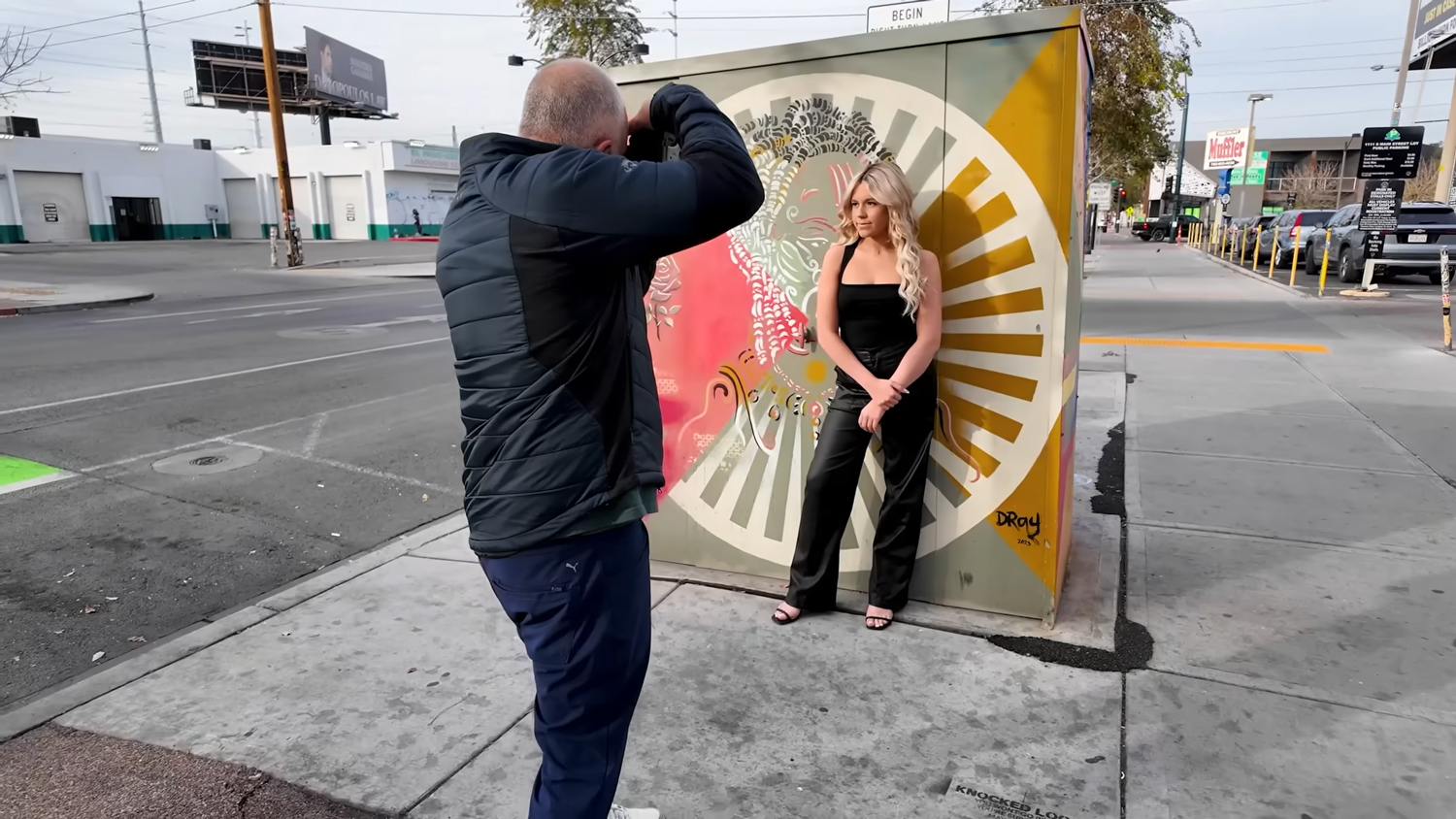
Some of the most compelling images can be created in places that most people would walk right past. A row of utility boxes, a graffiti-covered wall, or an unusual architectural detail can become the foundation for a striking portrait when you know what to look for.
If you want to improve your portrait photography, these composition tips can help you create stronger images no matter where you’re shooting.
Look for Shapes, Colors, and Patterns
When evaluating a location, stop thinking about the scene as a whole. Instead, focus on individual elements that could enhance your composition.
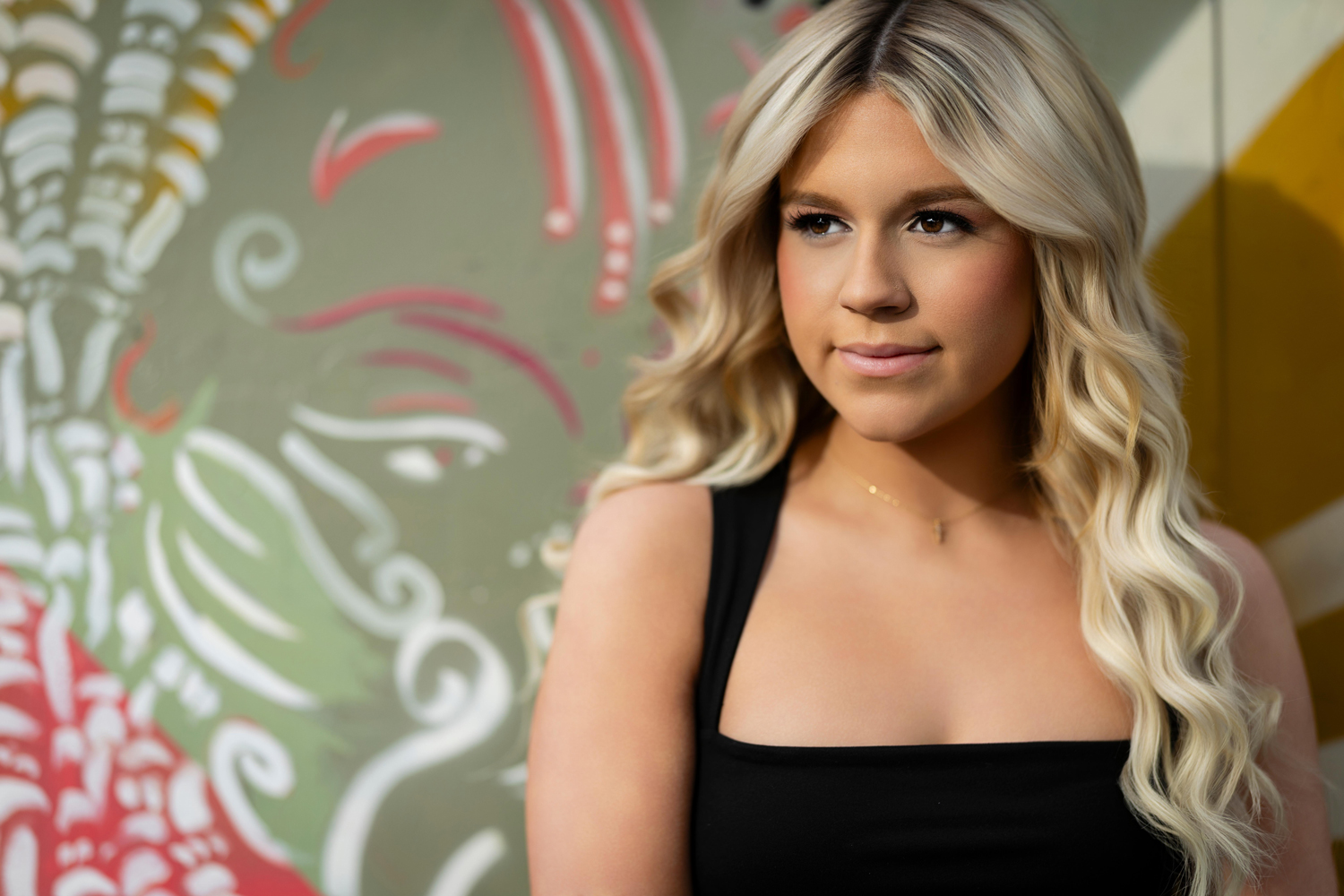
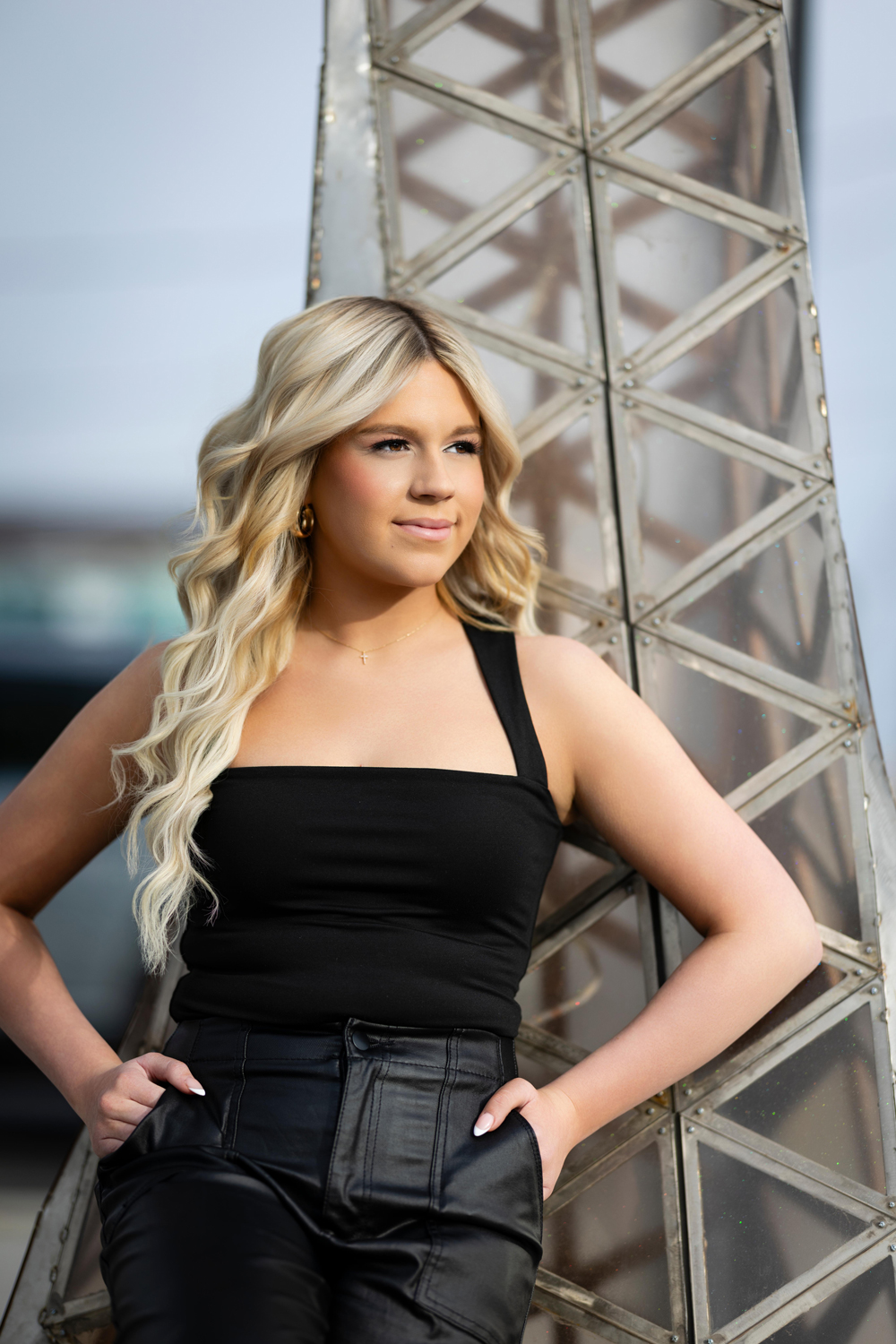
Interesting colors, repeating patterns, textures, and shapes can all serve as powerful backgrounds. Even something as simple as painted metal panels or street art can add visual interest when framed correctly.
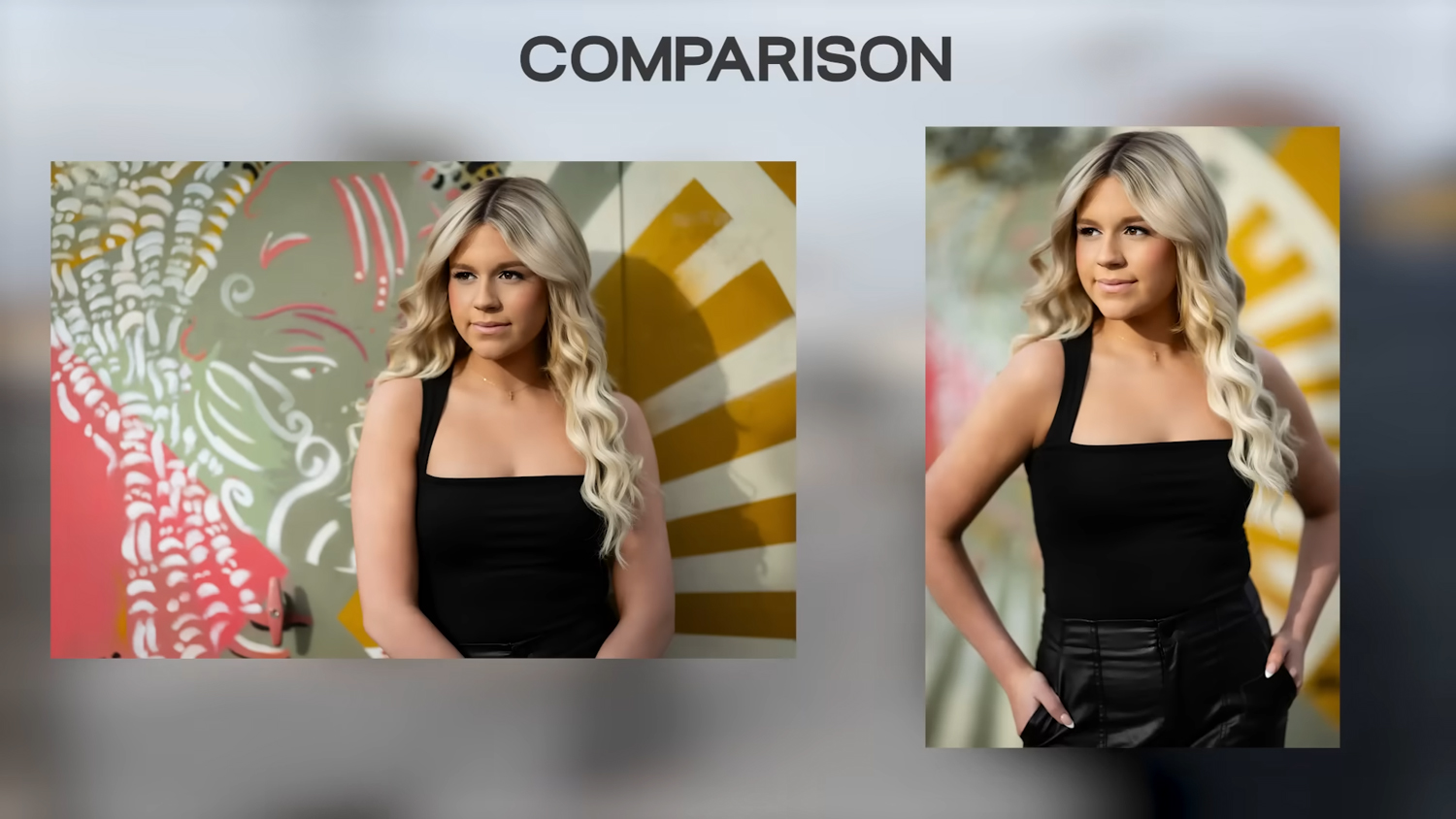
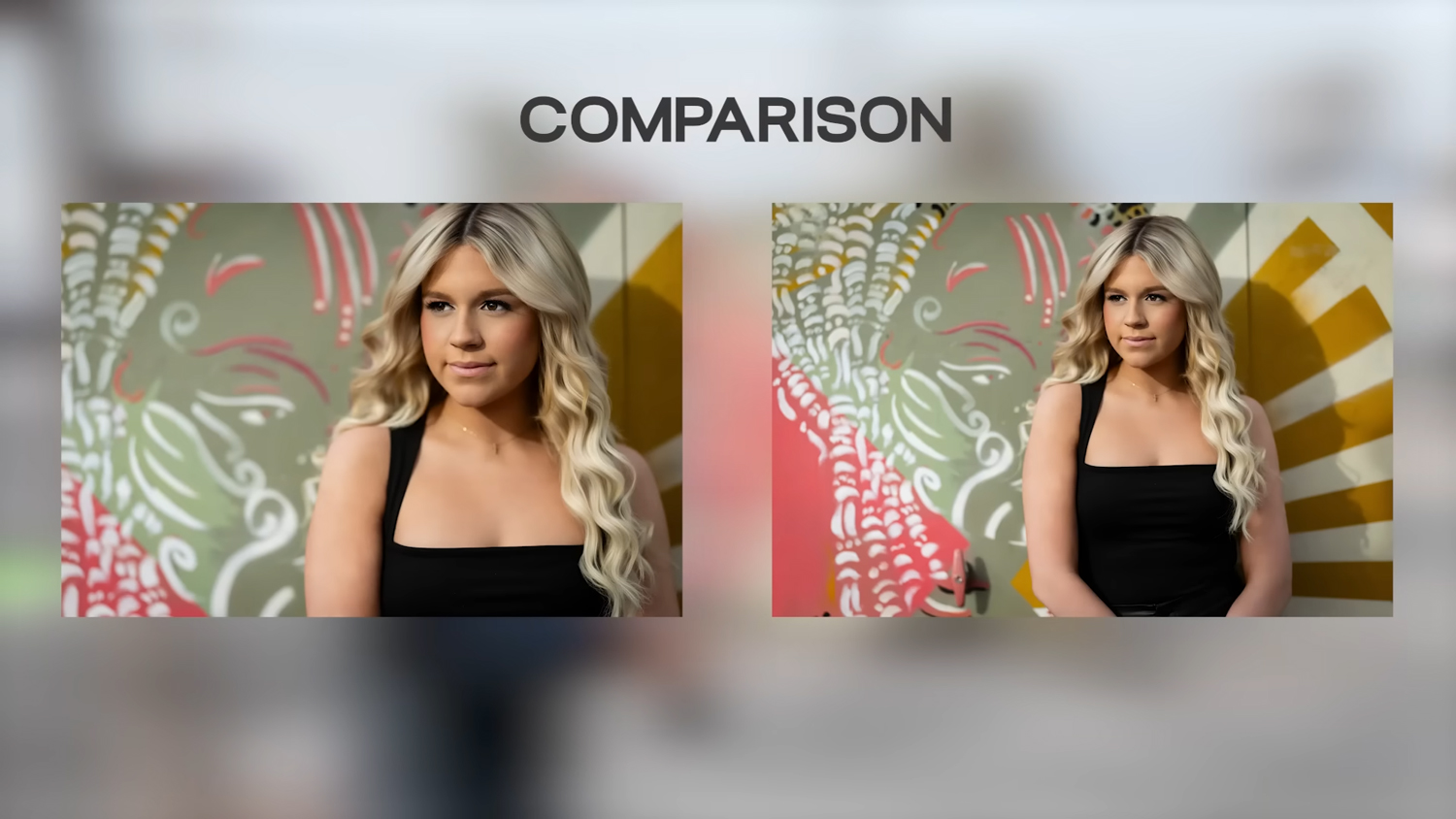
Rather than trying to show the entire environment, isolate the most visually appealing section. This approach allows you to transform an ordinary location into something unique and artistic.
f/1.2 @ 1/2500, ISO 50
Use Lens Choice to Simplify the Scene
One of the most effective portrait photography composition tips is choosing the right focal length.
A longer lens, such as an 85mm, allows you to compress the scene and eliminate distractions. By shooting tighter compositions, you can focus attention on your subject while still incorporating interesting background elements.
This technique is especially useful when working in busy or unattractive locations. Instead of showing everything around your subject, you’re selecting only the pieces that strengthen the image.
Remember, you do not have to include an entire location in every portrait. Sometimes a small section of color, texture, or pattern is all you need.
Pay Attention to Color Harmony
Color plays a major role in successful portrait photography.
Before placing your subject, consider how their clothing, skin tone, and hair color interact with the environment. Background colors that complement your subject can create a more polished and intentional image.
At the same time, watch for colors that compete for attention. A small distracting element in the frame can pull the viewer’s eye away from your subject and weaken the overall composition.
As you compose your shot, make small adjustments to eliminate distracting colors and keep the visual focus where it belongs.
Use Available Light Whenever Possible
Great portrait photography does not always require elaborate lighting setups.
When you find a location with soft, directional light, use it to your advantage. Position your subject so the light flatters their features and creates dimension across the face.
Natural light often works beautifully when combined with strong composition. Instead of immediately reaching for additional gear, take a moment to study how the existing light interacts with your subject and background.
Often, a simple adjustment in position can dramatically improve the final image.
f/1.2 @ 1/4000, ISO 50
Look for Foreground Elements
Foreground elements can add depth and creativity to your portraits.
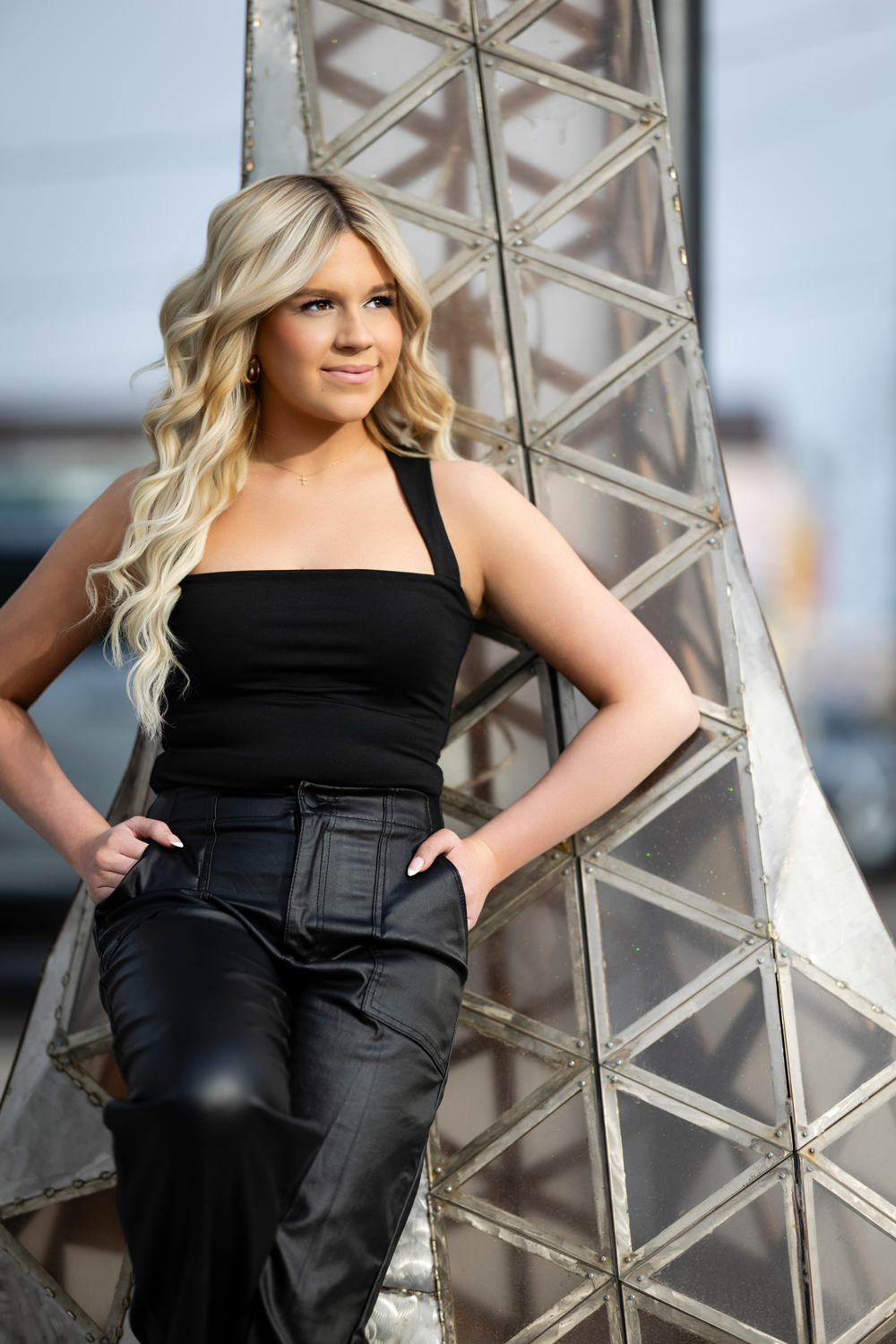
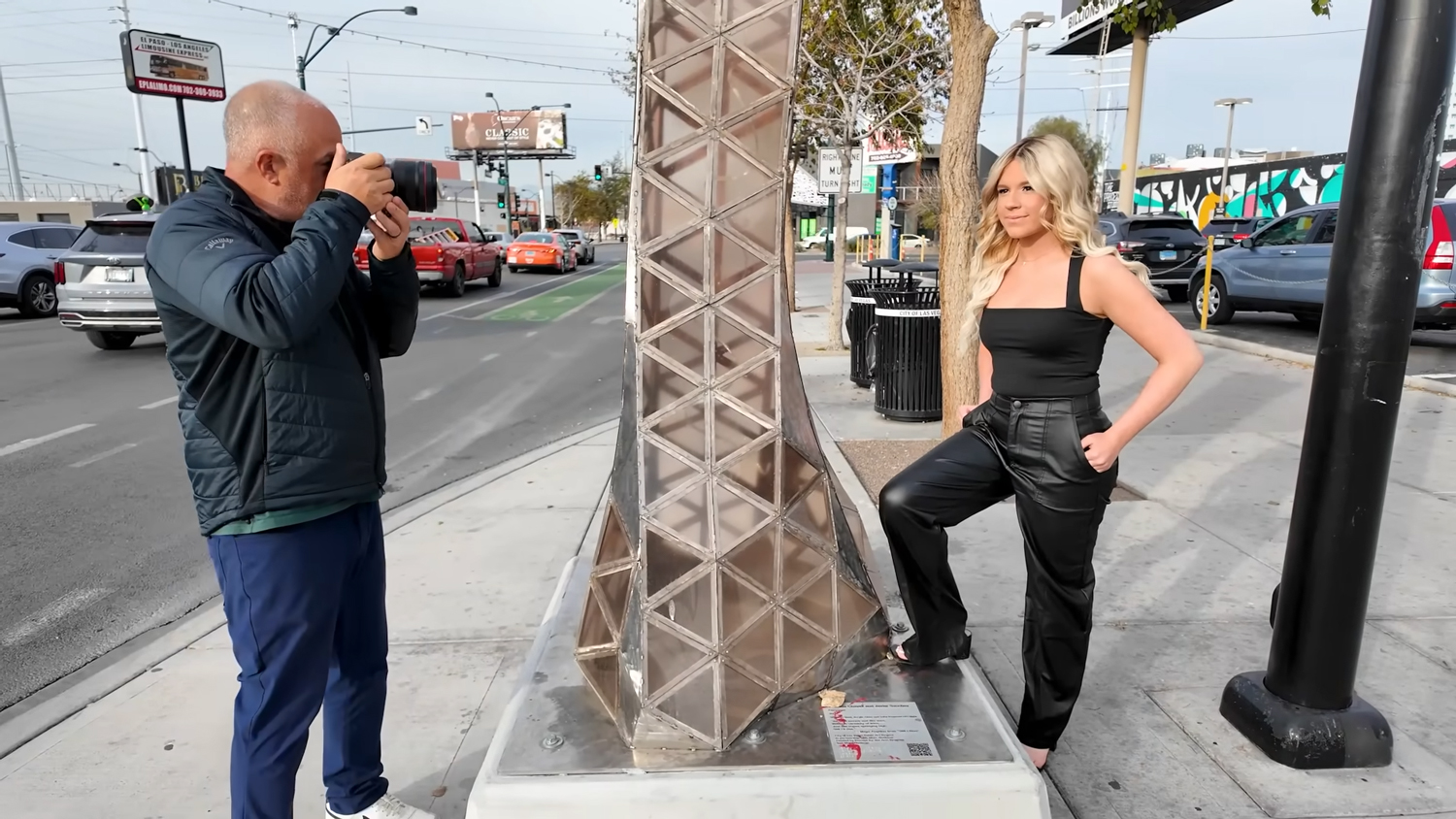
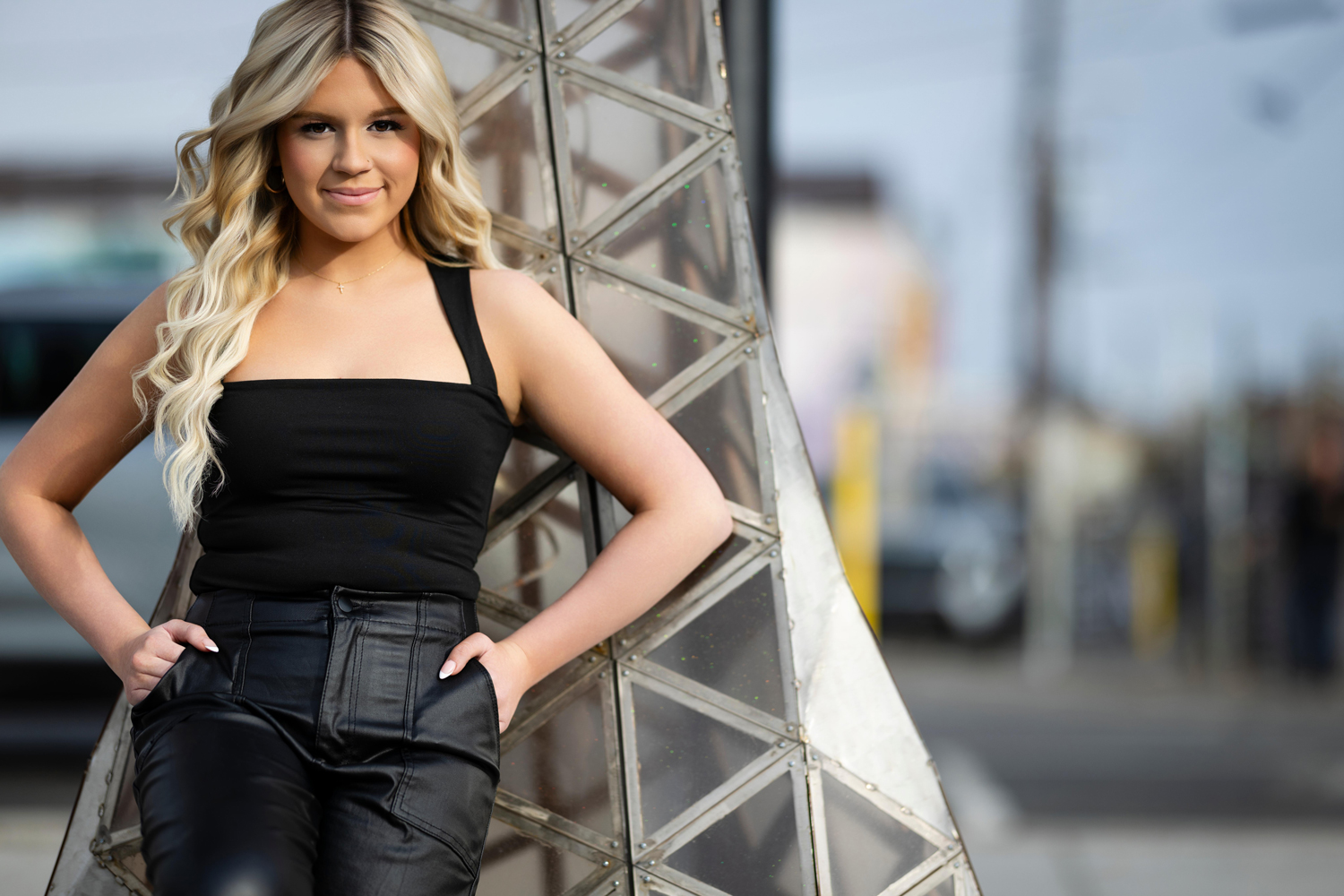
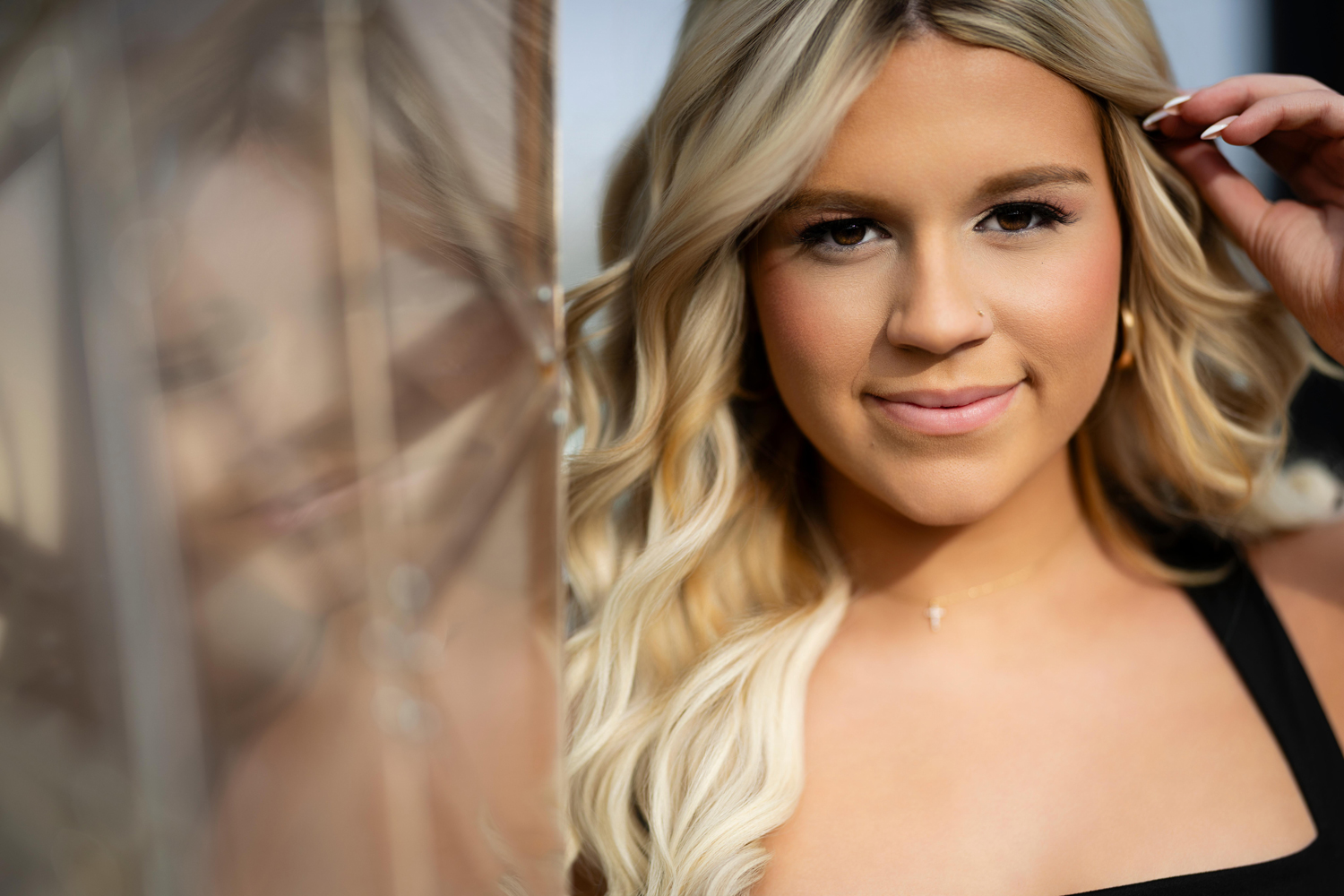
Glass panels, architectural features, railings, and other objects can be used to frame your subject or create interesting layers within the image. Shooting through these elements can introduce reflections, leading lines, or subtle visual effects that make a portrait stand out.
Experiment with different angles and perspectives. Sometimes moving just a few feet can completely change the way foreground elements interact with your composition.
The goal is to create images that feel more dynamic and engaging without relying on an extraordinary location.
f/1.2 @ 1/3200, ISO 50
Great Portraits Are About Vision, Not Location
The best portrait photographers learn to see potential where others see ordinary surroundings.
Strong composition, thoughtful lens selection, effective use of color, and attention to light can transform almost any location into a compelling portrait backdrop.
The next time you’re scouting a location, challenge yourself to look beyond the obvious. Search for interesting details, simplify your frame, and focus on the elements that support your subject.
With the right composition tips and a creative mindset, you can create memorable portrait photography almost anywhere.
f/1.2 @ 1/4000, ISO 50 f/1.2 @ 1/2500, ISO 50