
Equipment Used:
Camera: Canon EOS R5
Lens: Canon RF28-70 f2.0
Light: Nanlite PavoTube II 6C + Nanlite Full-Color Wand LED Light
Team:
Creative Portraits in Small Spaces: How to Make Any Tight Location Work
When it comes to creative portraits, space is often seen as a limitation. Many photographers believe they need large studios or wide-open environments to produce compelling work. The truth is, small space photography can unlock a whole new level of creativity if you know how to approach it.
Shooting in tight environments like a bathroom, hallway, or small room forces you to think differently. Instead of relying on space, you start focusing on light, color, and composition in a more intentional way. That shift in mindset is where the magic happens.
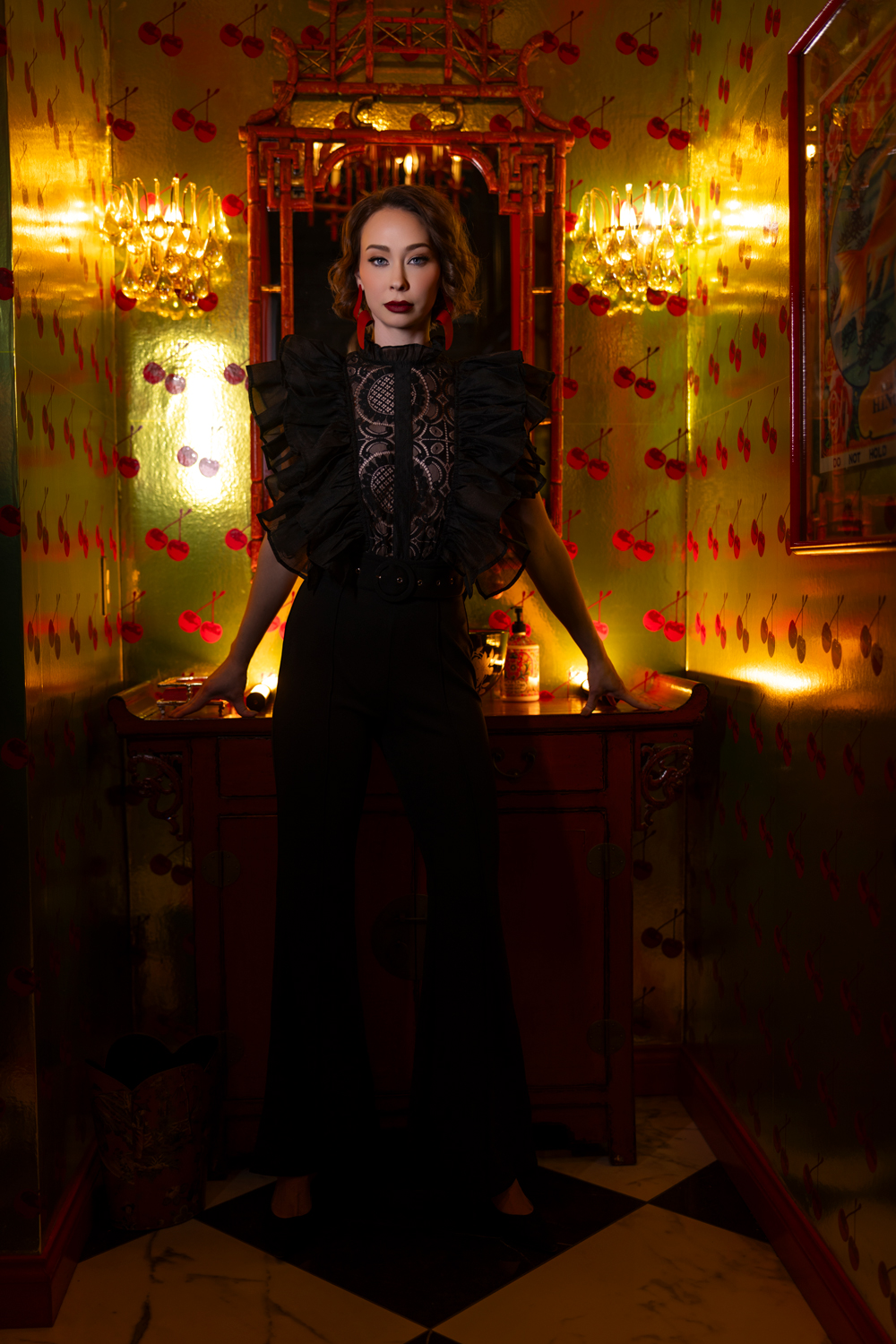
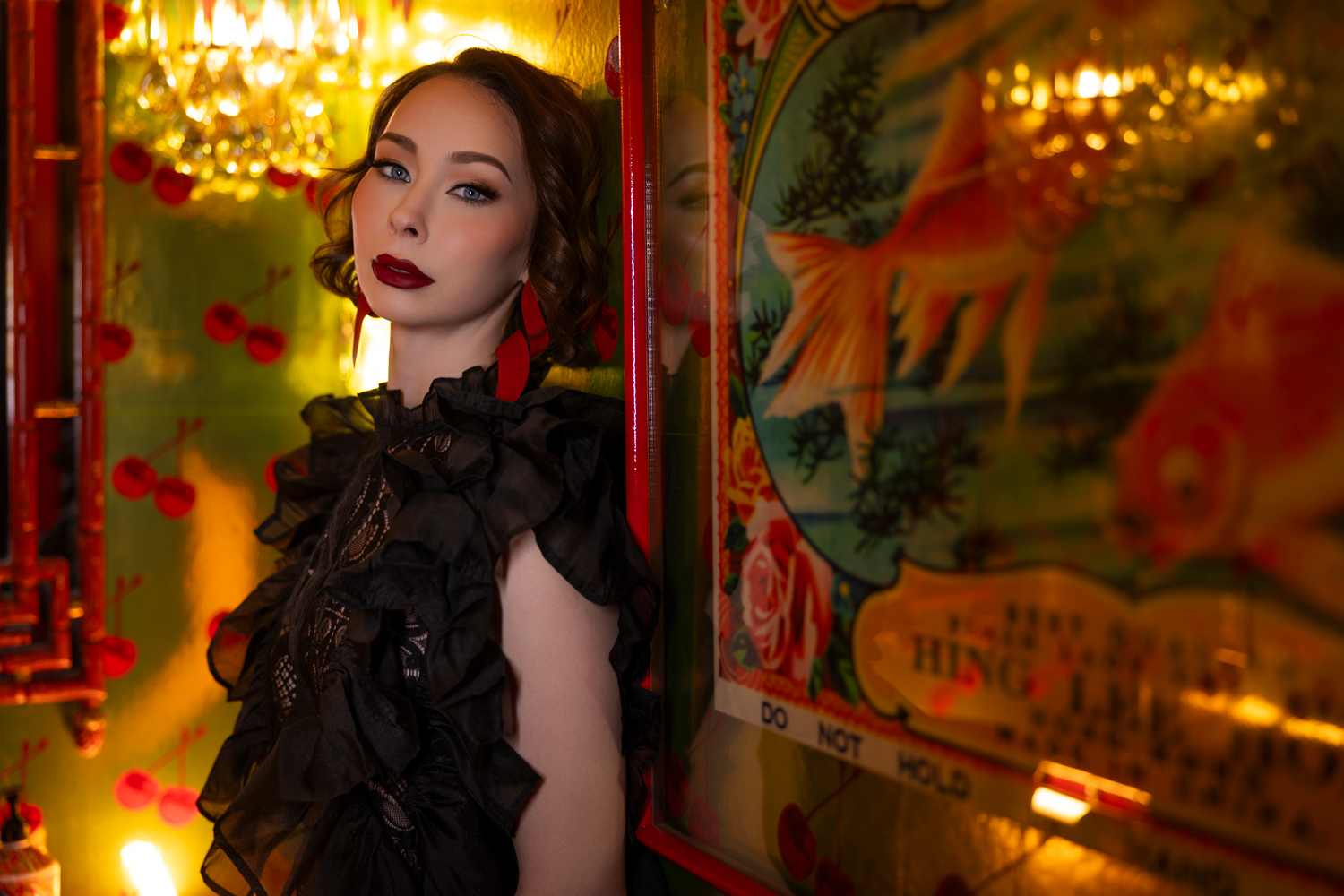
f/2.0 @ 1/200, ISO 100
Start by Understanding Your Light
One of the biggest challenges in small space photography is mixed lighting. Small rooms often have different light sources with varying color temperatures, which can create inconsistent and unflattering tones in your images.
Before you start shooting, take a moment to evaluate the ambient light. Is it warm, cool, or mixed? Knowing this allows you to make smarter creative decisions. Instead of guessing and fixing it later in post, you can match your lighting to the environment or intentionally contrast it for a stylized look.
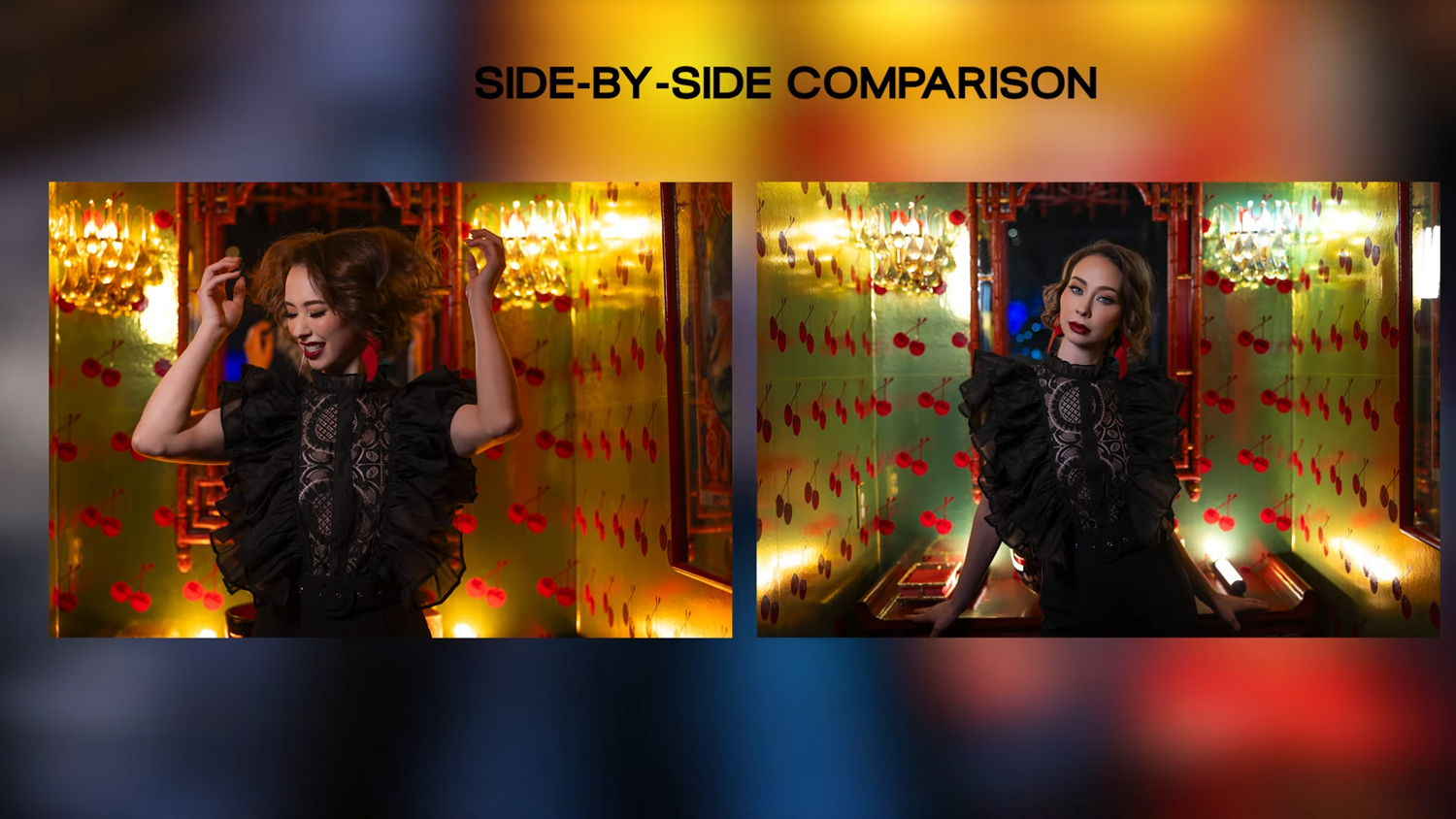
For example, if your space has very warm light, you can lean into that by setting your camera to a cooler white balance. This will exaggerate the warmth in the background and create a rich, cinematic feel. Then, use a neutral or daylight-balanced light on your subject to keep skin tones clean and natural.
Use Small Lights for Big Impact
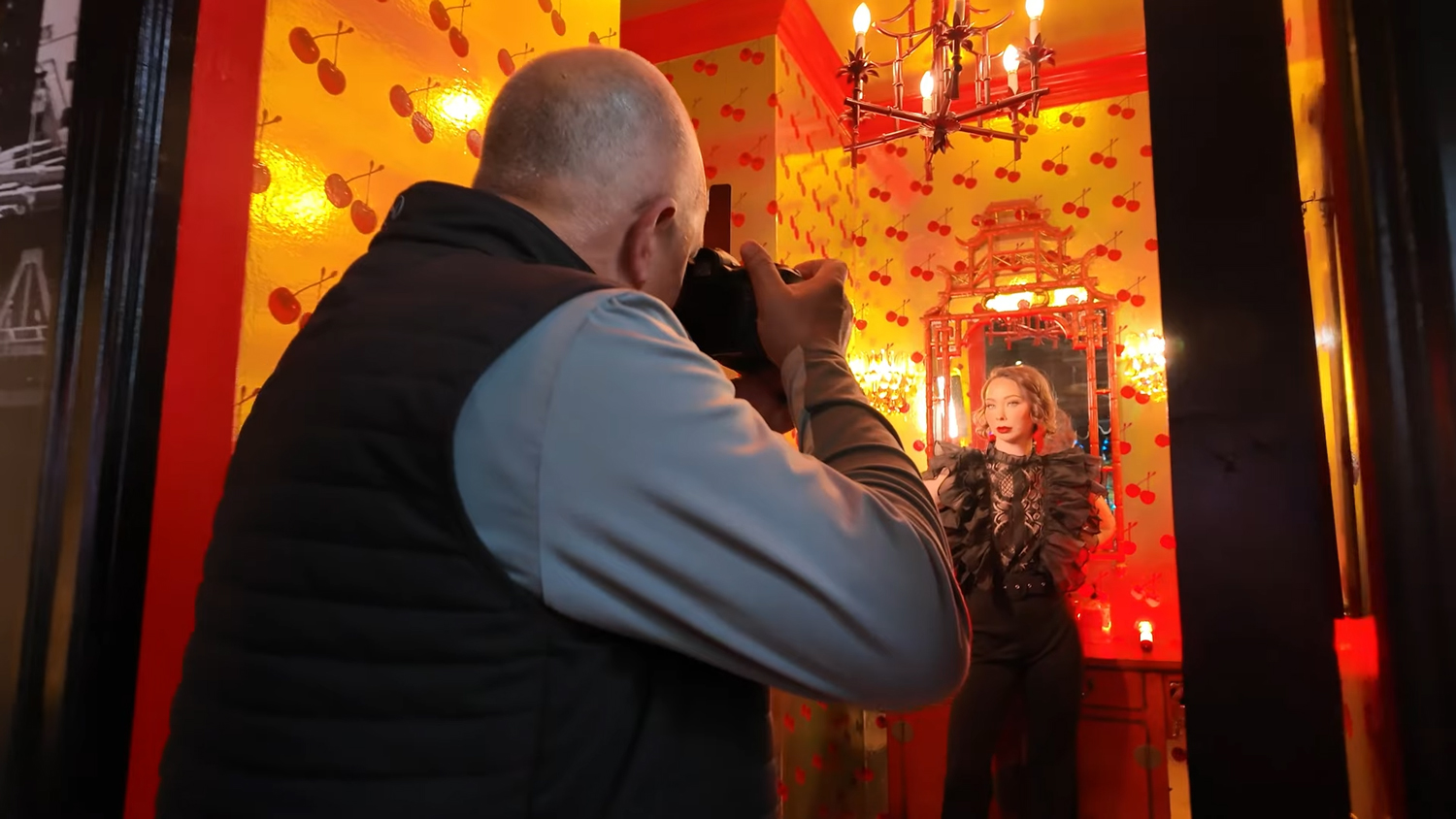
You do not need large, expensive gear to create striking images in tight spaces. Compact LED lights and tube lights are perfect for this type of work. They are portable, easy to position, and powerful enough to shape light in a controlled way.
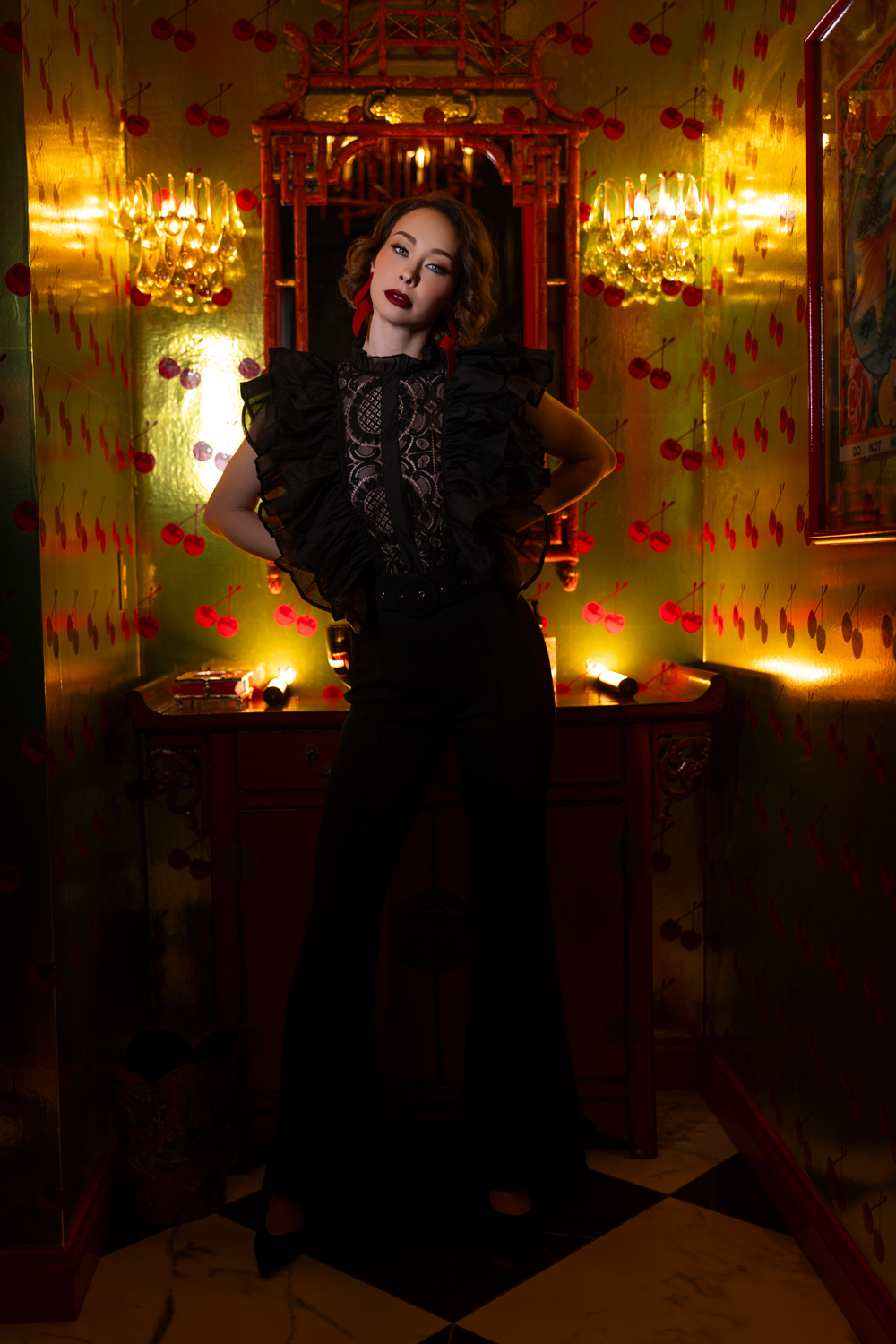
Placing small lights behind your subject can create edge lighting or separation from the background. In a cramped room, even subtle lighting changes can dramatically transform the scene. Because the space is limited, every light source has more influence, which works in your favor.
Magnetic or handheld lights are especially useful since you can quickly attach them to surfaces or adjust them on the fly. This flexibility is key when you are working in a confined area.
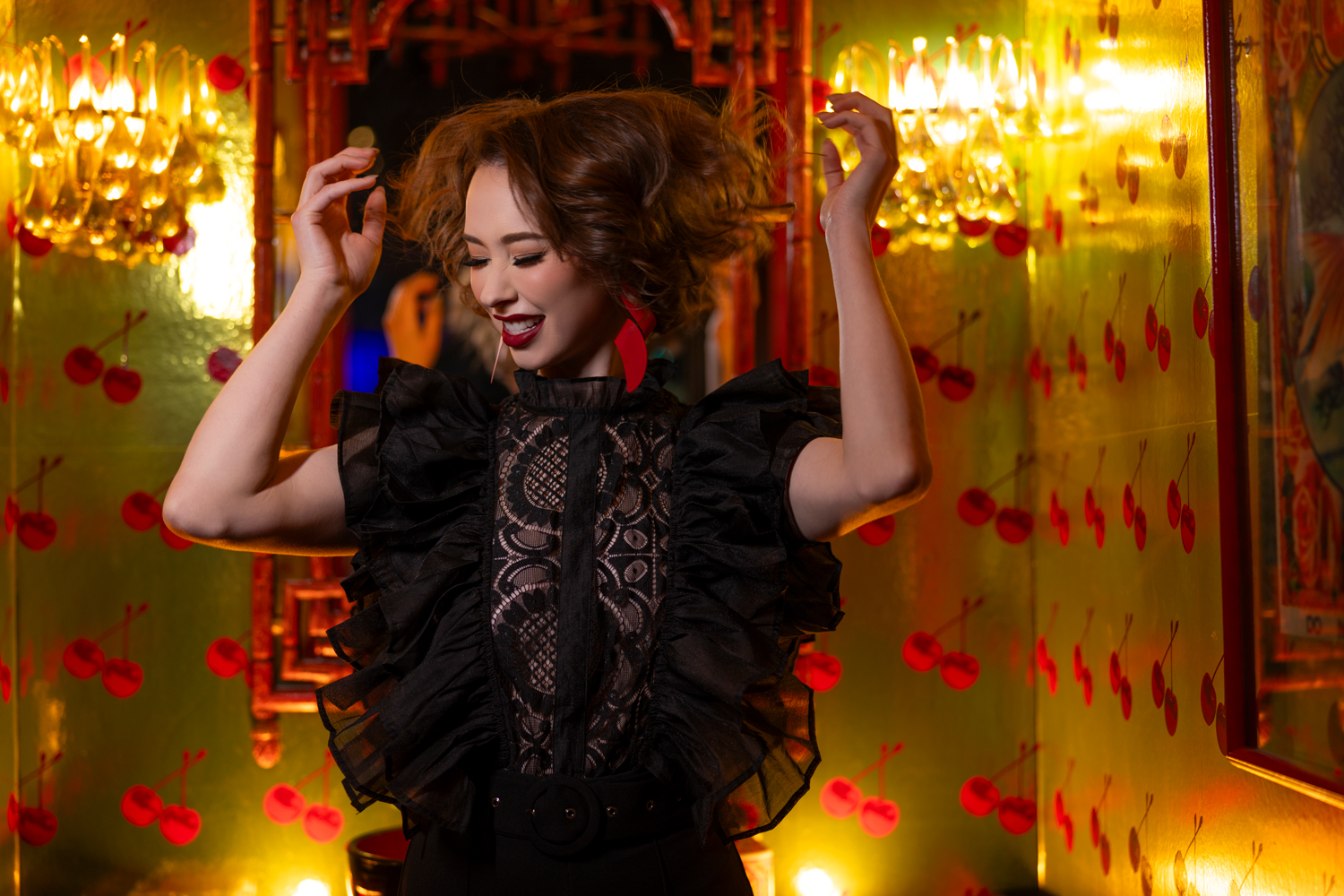
f/2.0 @ 1/200, ISO 100 f/2.0 @ 1/160, ISO 100
Create Multiple Looks in One Spot
One of the best parts of small space photography is how quickly you can experiment. With just a few adjustments, you can create completely different looks without changing locations.
Try this approach:
- Shoot one setup where your lighting contrasts with the room’s color temperature for a dramatic effect
- Then match your lighting to the ambient light for a clean, natural look
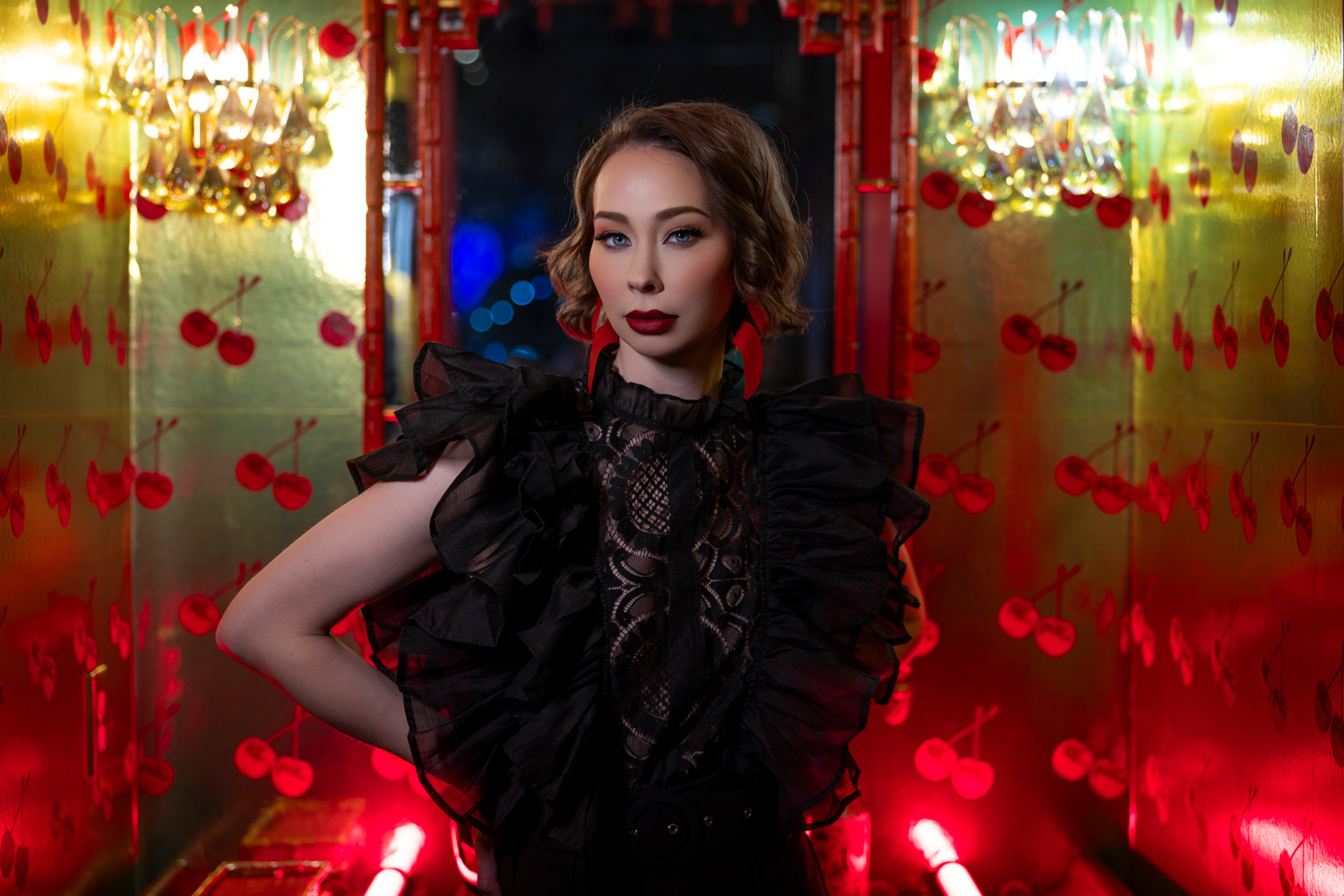
- Experiment with colored lighting for a more stylized, creative portrait
These small changes can give you a full gallery of images from a single setup. It is efficient and incredibly versatile.
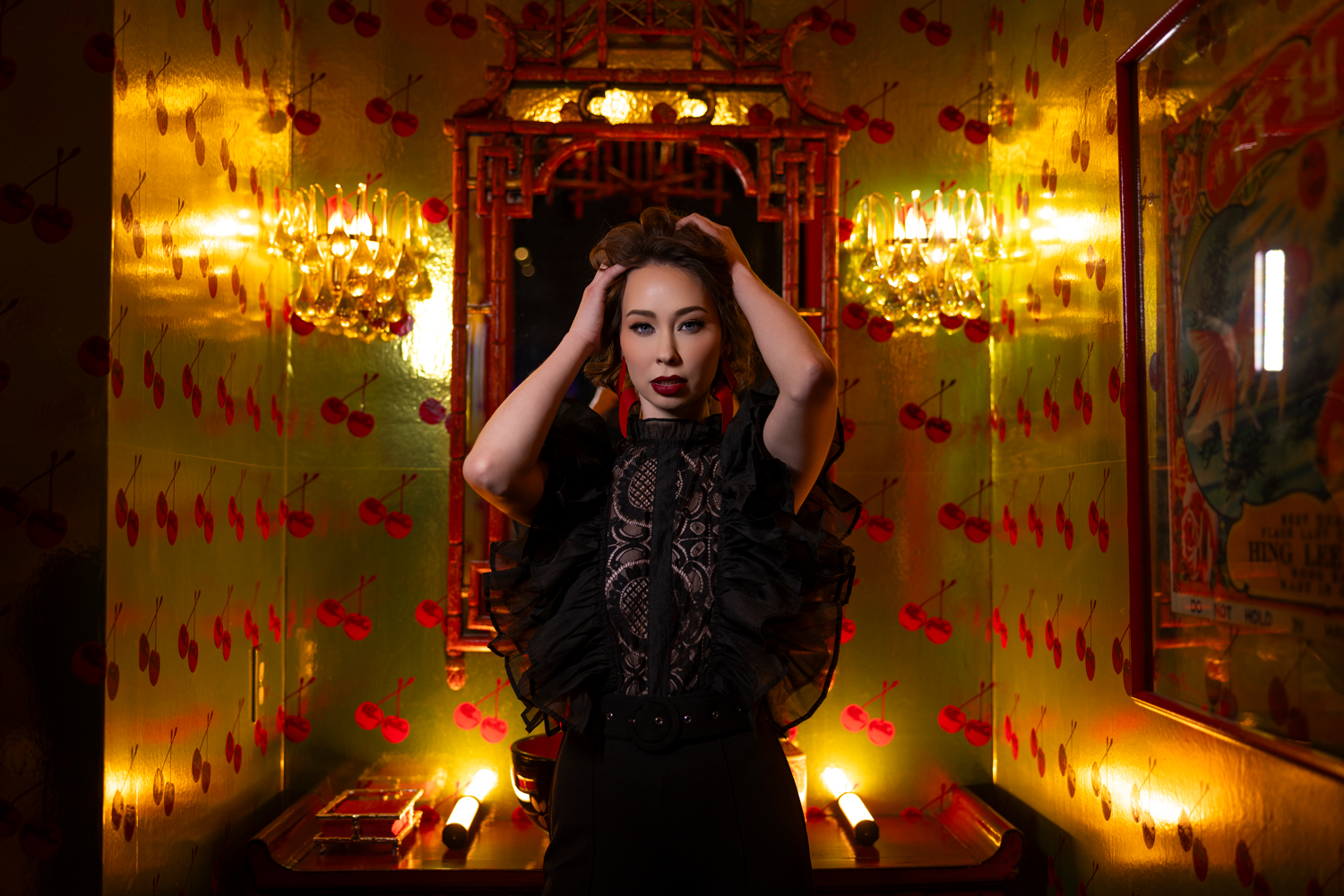
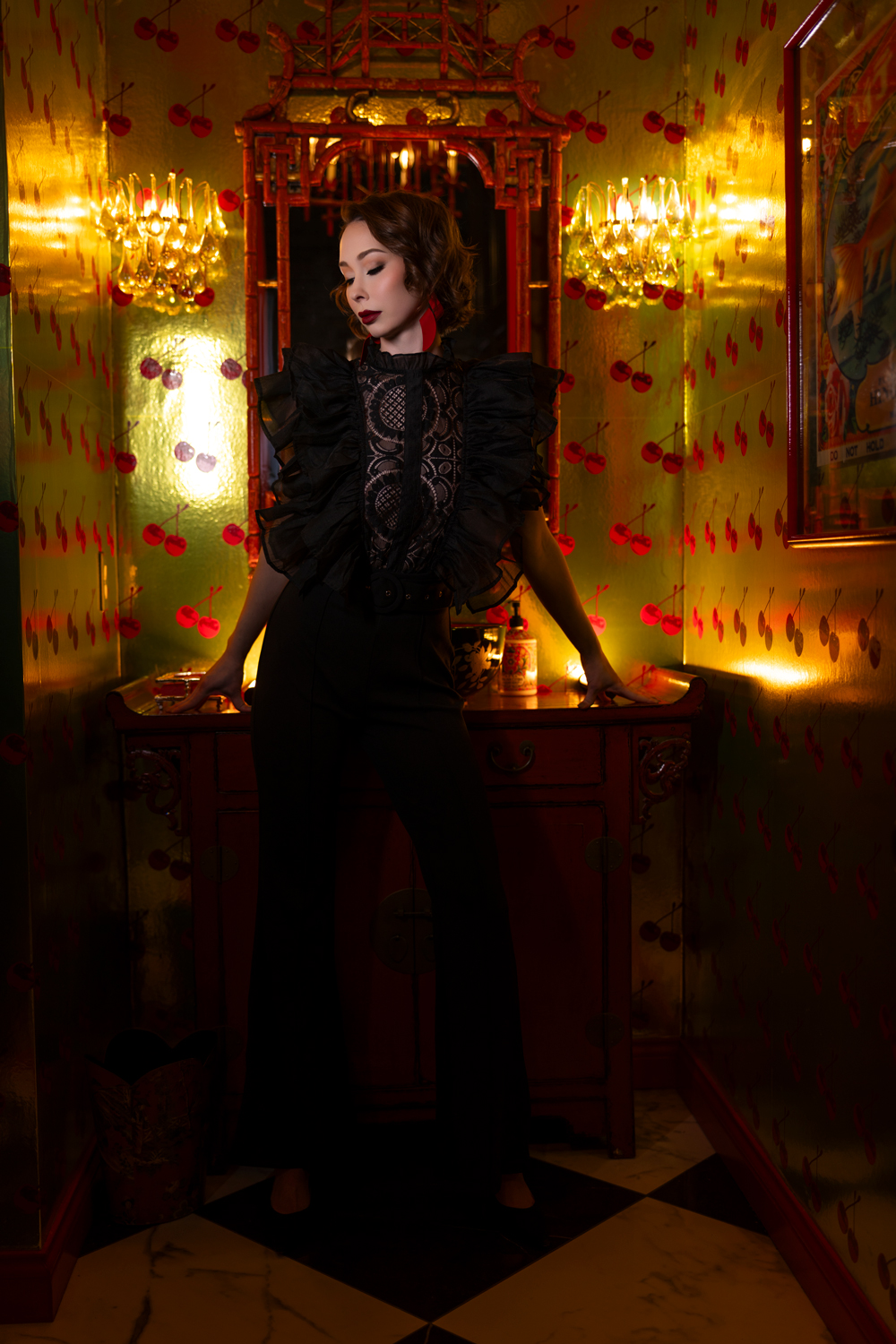
f/2.0 @ 1/160, ISO 100
Direct Your Subject with Purpose
In tight spaces, posing becomes more intentional. You do not have the luxury of wide movements or large gestures, so focus on subtle direction.
Encourage your subject to:
- Use their hands and facial expressions more actively
- Lean into walls or surfaces to create depth
- Shift their head and shoulders to catch the light differently
Even slight adjustments can completely change the mood of the image. Because the environment is close and contained, these details become more noticeable and impactful.
Embrace the Environment
Instead of fighting the limitations of a small space, use them to your advantage. Unique wallpaper, textures, and tight framing can add character and storytelling to your portraits.
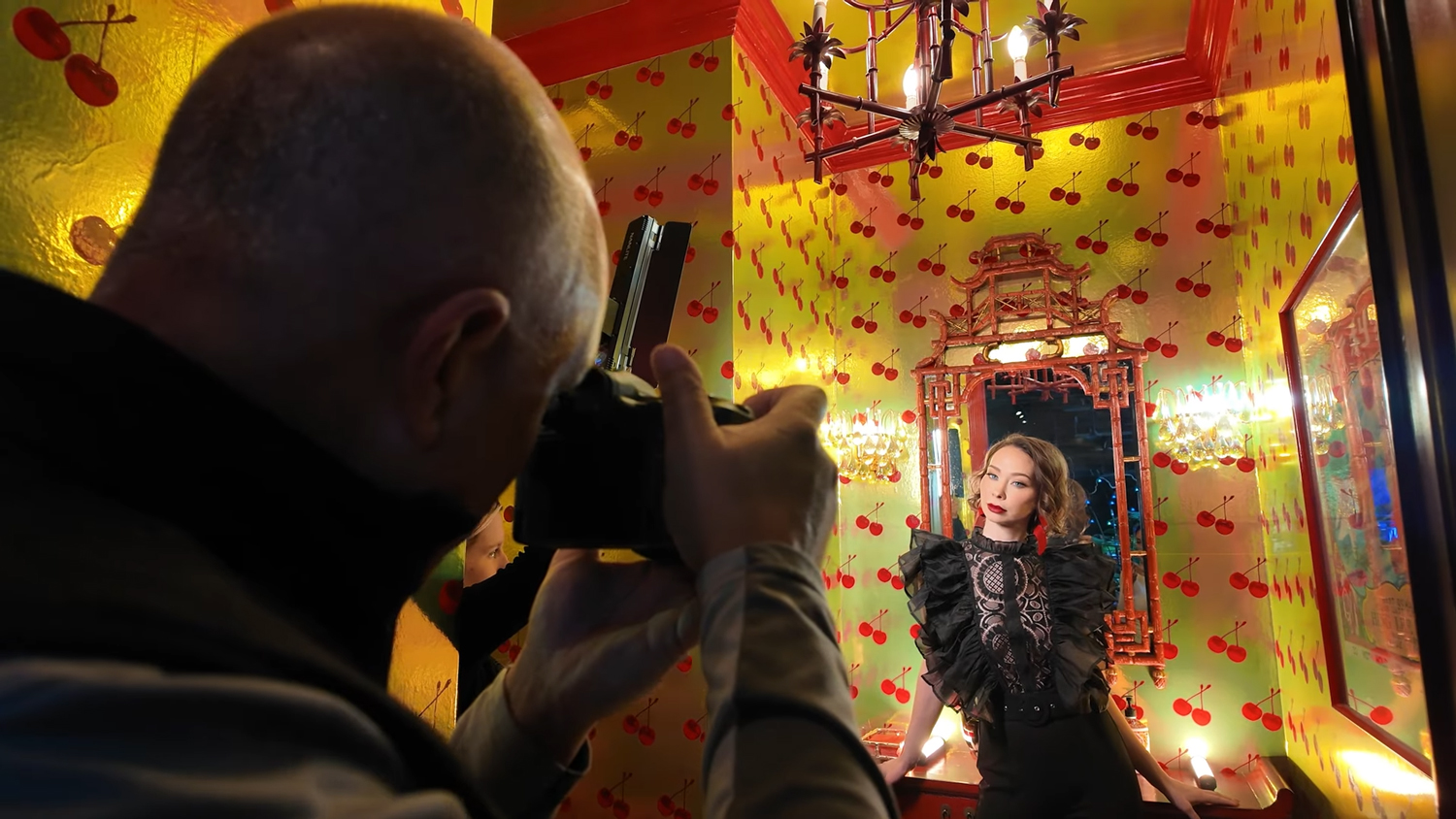
Shooting through objects, using reflections, or framing your subject within the environment can make your images feel more dynamic. Small spaces naturally create layers and depth when used creatively.
Final Thoughts
Creative portraits are not about how much space you have. They are about how you use what is available. Small space photography pushes you to think more deliberately about light, color, and composition, which ultimately makes you a stronger photographer.
With the right approach, even the smallest room can become a powerful creative studio.
f/2.0 @ 1/160, ISO 100 f/2.0 @ 1/160, ISO 100