
Creative Portraits: Pro Lighting Techniques Using Mylar

Share

Equipment Used:

Team:

Photographer: Sal Cincotta 

Model: Lauren Stanley

Makeup & Hair: Brandi Patton, ReFine Beauty

How to Use Mylar for High Impact Creative Portraits and Pro Lighting Techniques

Getting professional results does not always mean spending thousands on high end modifiers. Sometimes the most impactful creative portraits come from the most unexpected materials.

Take Mylar for example. It is a super inexpensive material that you can easily find on Amazon or at your local camera supply store. By using a roll of Mylar and a simple fan, you can transform a standard studio setup into something visually stunning.

Setting the Scene with Simple Materials

The beauty of this technique lies in its simplicity. We started with a basic roll of gray paper as our background. Gray is a perfect choice because it is a neutral canvas that adapts to whatever color you fire at it.

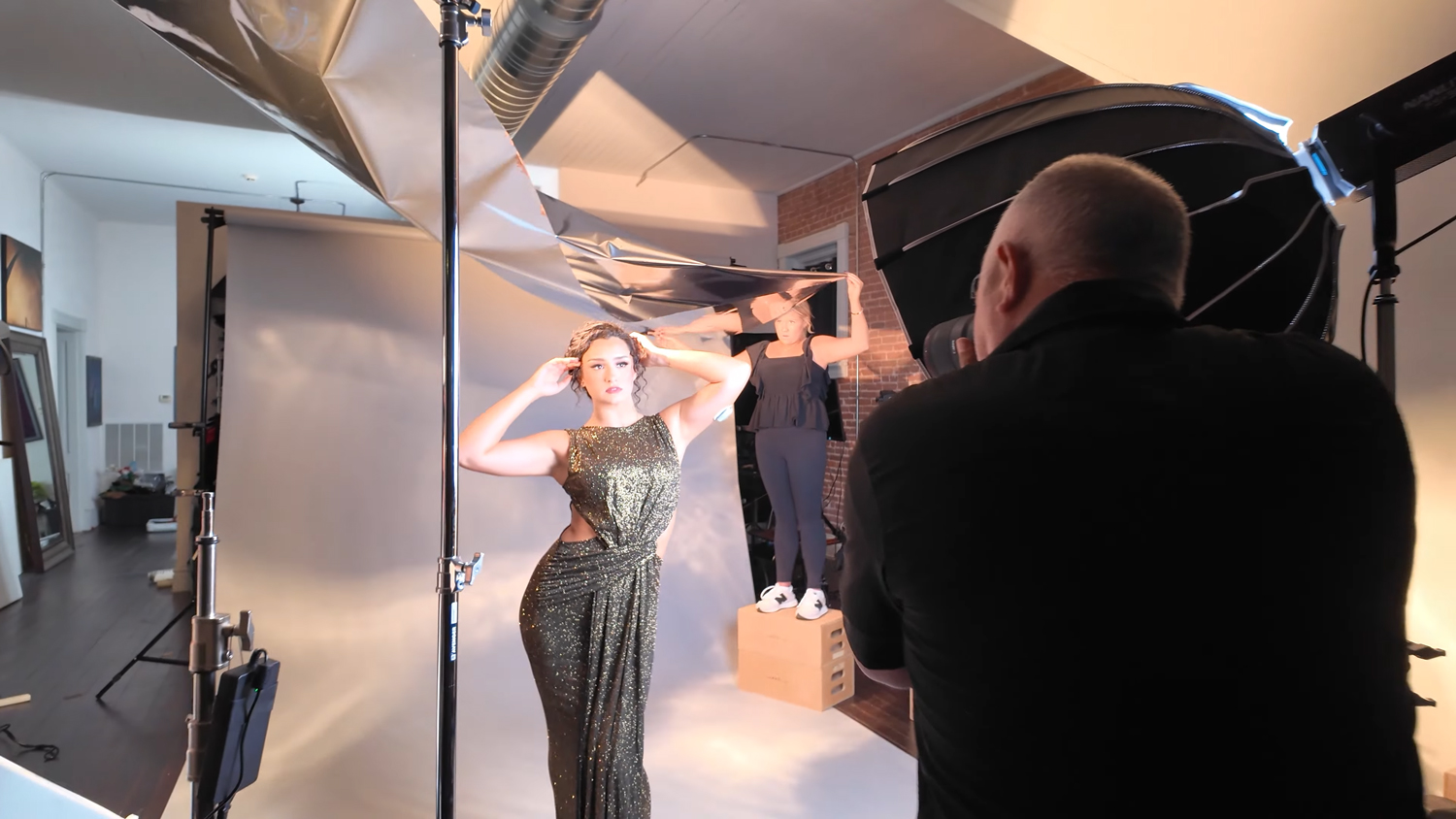
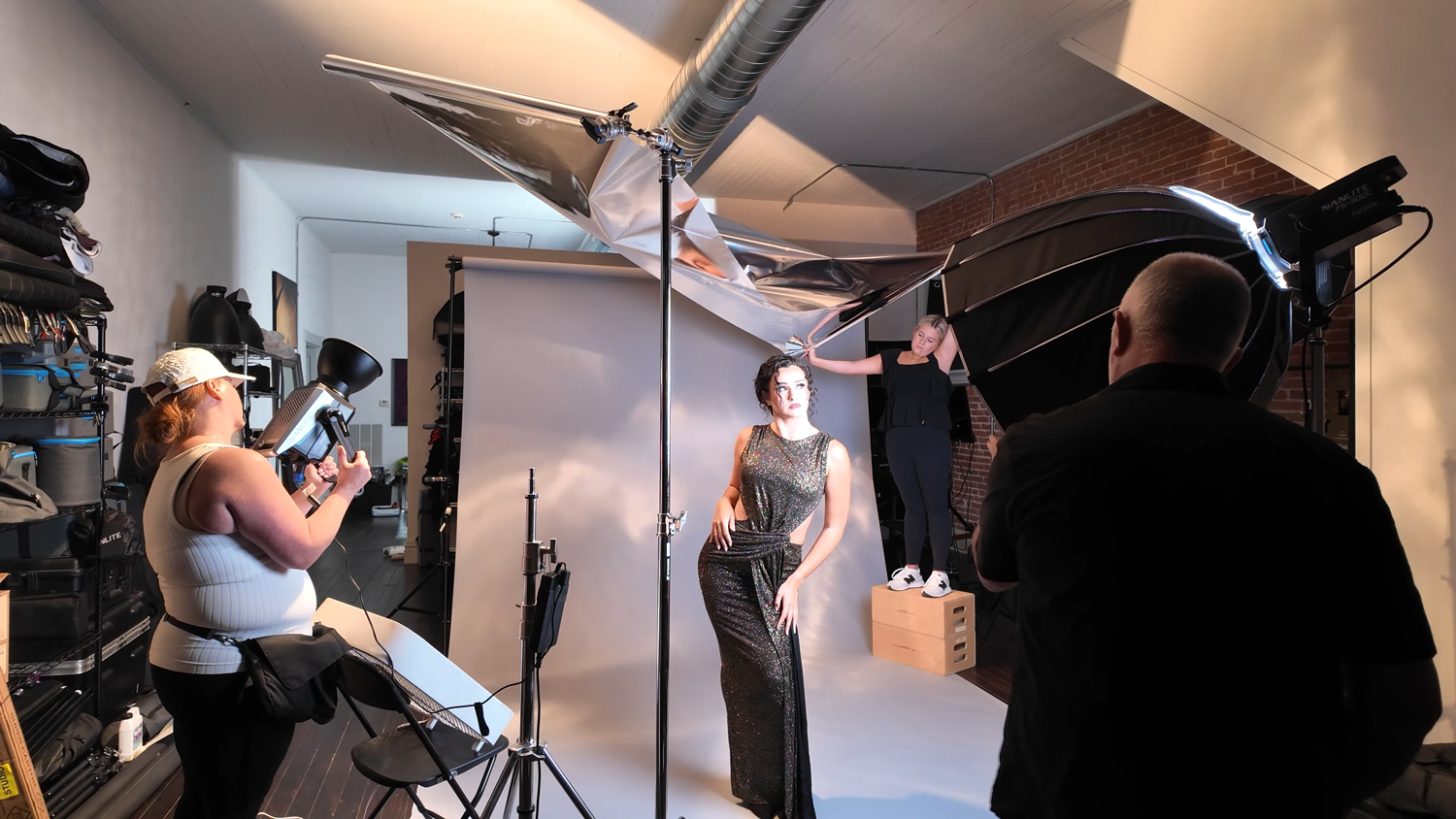
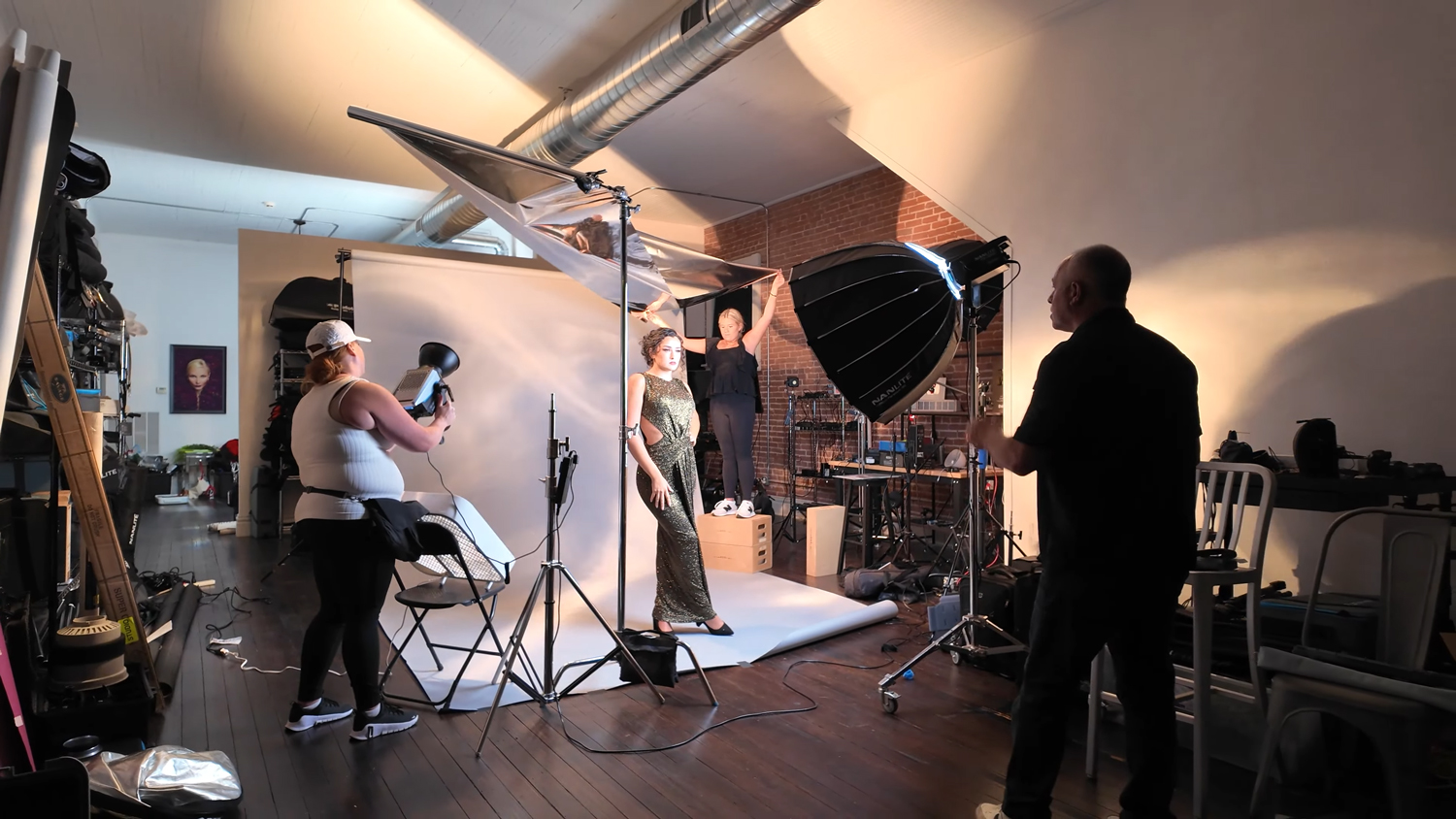
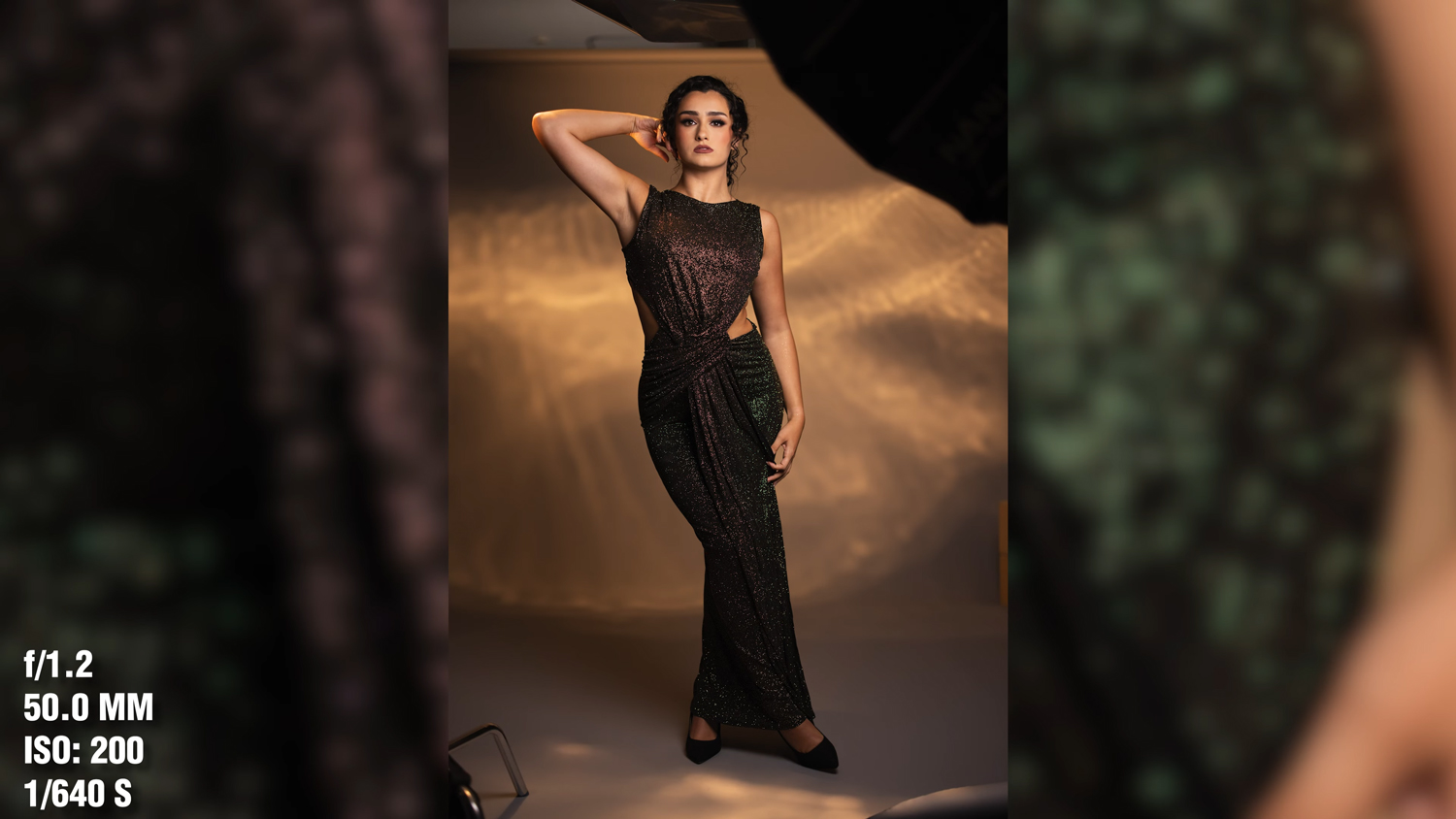
To create the texture, we used a C-stand to hang the Mylar and a budget friendly box fan to give it some motion. This movement is what generates those unique, shifting patterns on the background that make the shot feel dynamic rather than static.

Mastering the Lighting Techniques

To achieve these results, we utilized two main lighting techniques involving different Nanlite fixtures. For our background light, we used a Nanlite FC-300B. For the key light, we chose a Nanlite FS-300C paired with a Parabolic 90 softbox.

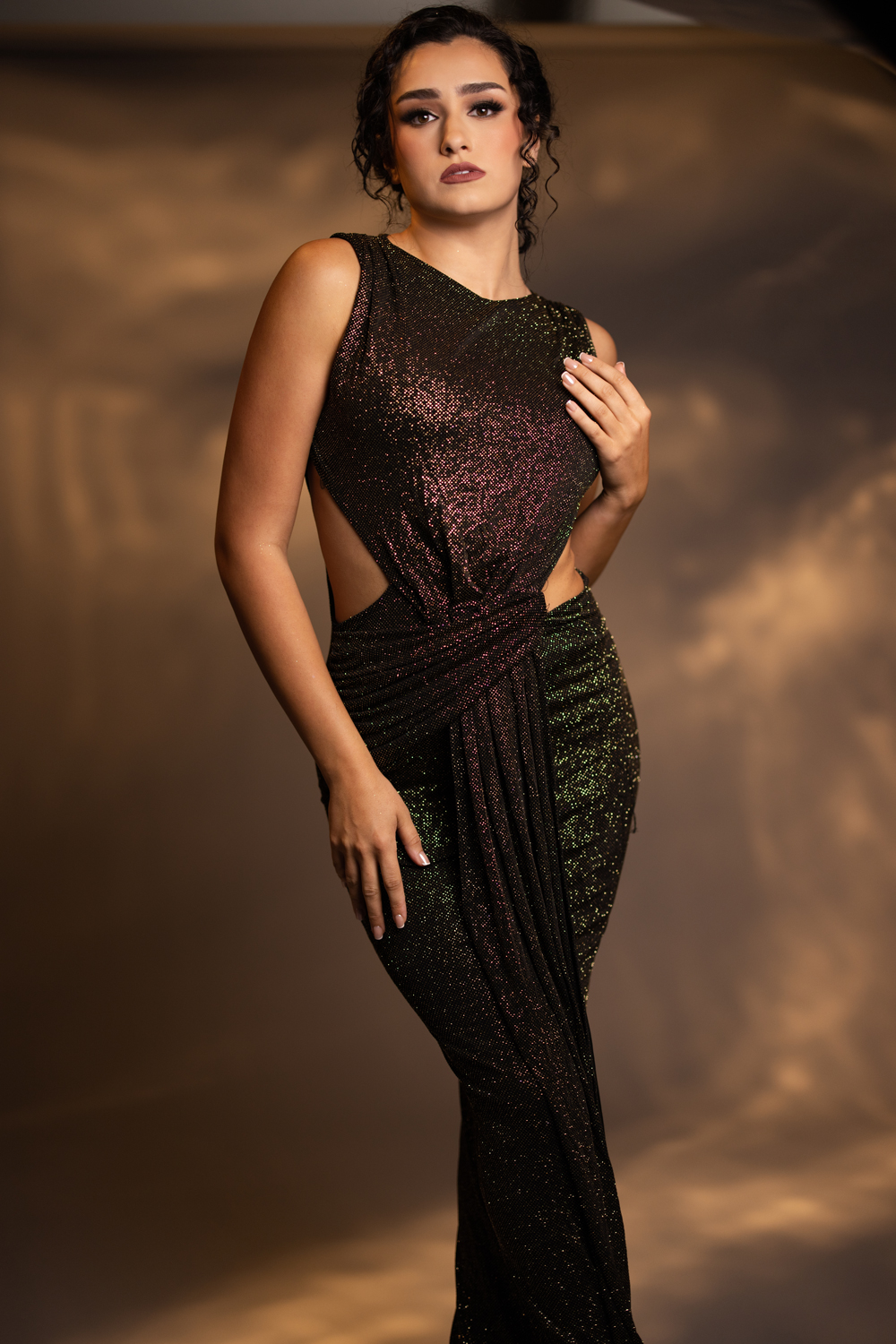
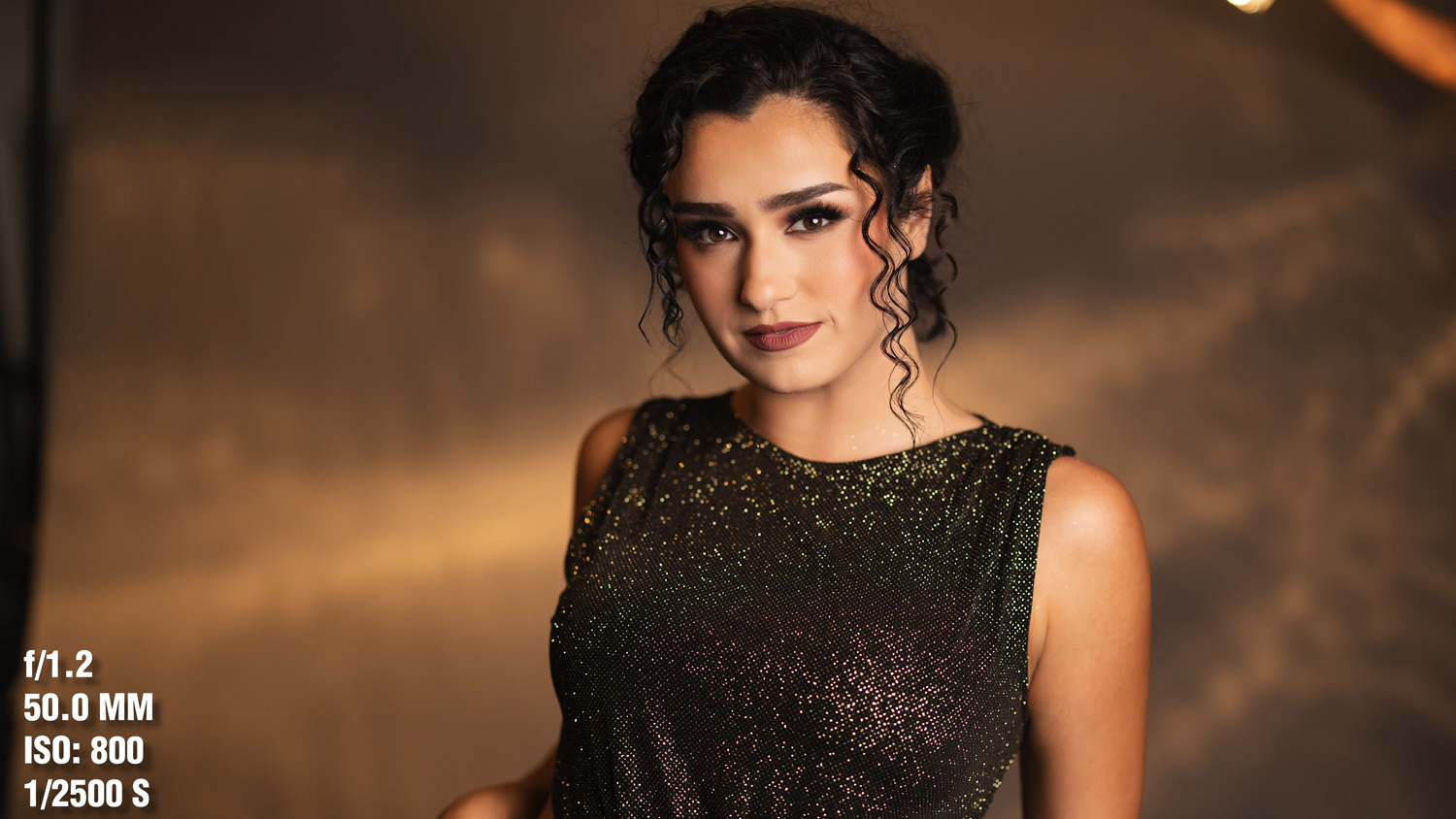
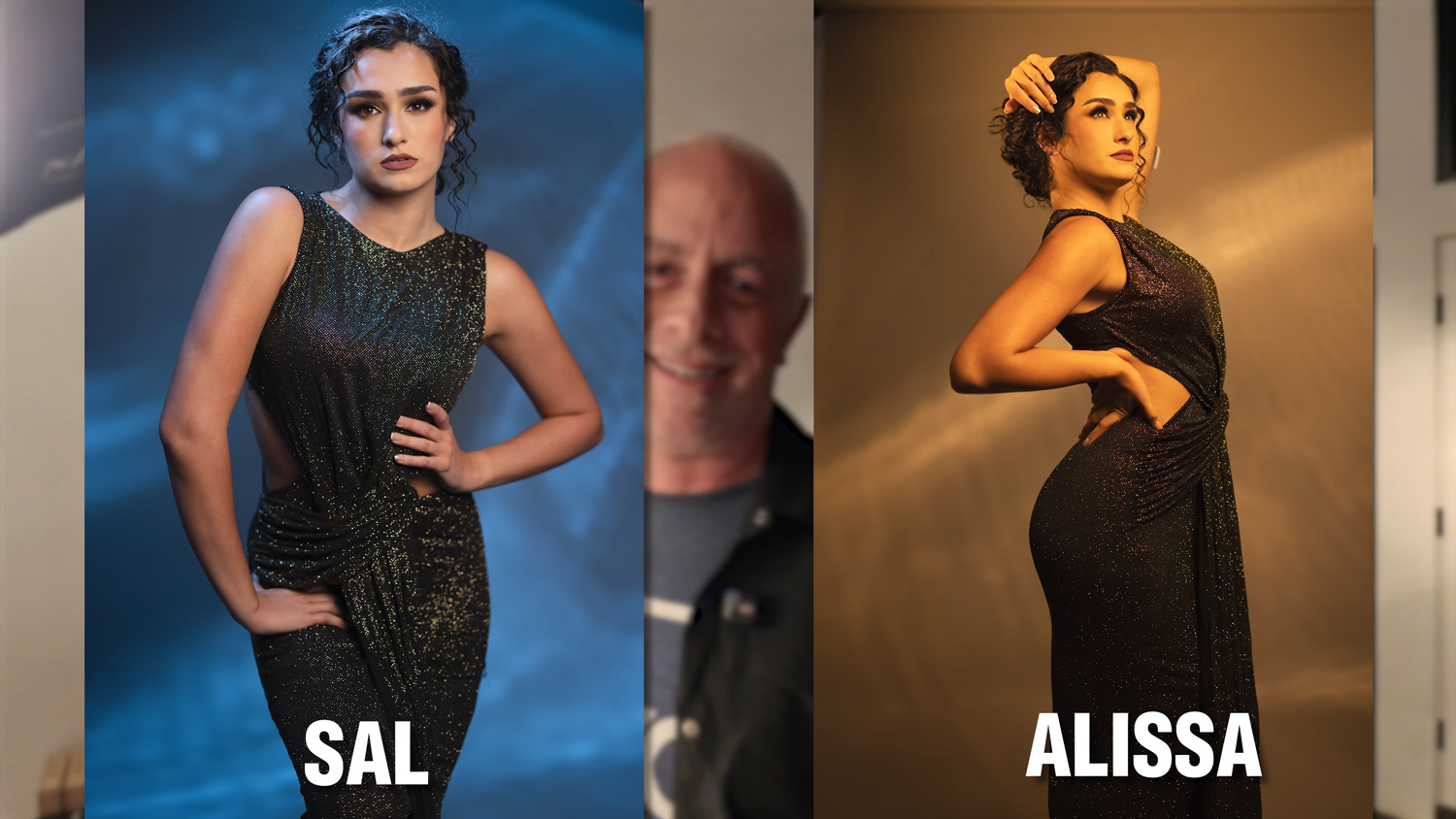
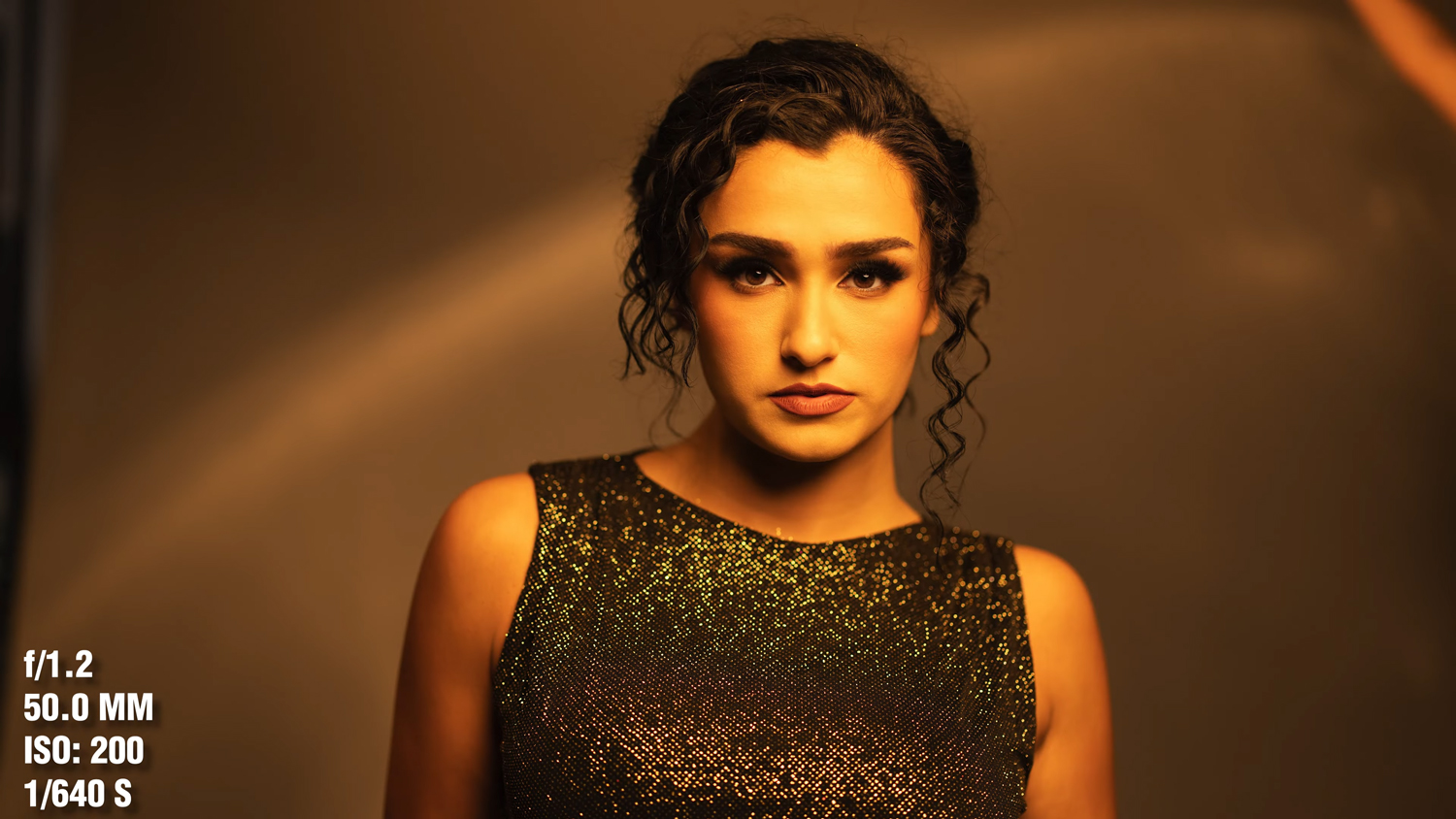
The real magic happens when you start playing with color temperatures. In our first look, we set the background light to 2700 Kelvin to create a warm glow. We kept the key light at 5500 Kelvin to match the camera white balance. This created a beautiful contrast between the natural skin tones on the model and the warm, golden patterns appearing on the gray paper.

Flipping the Look with Kelvin Shifts

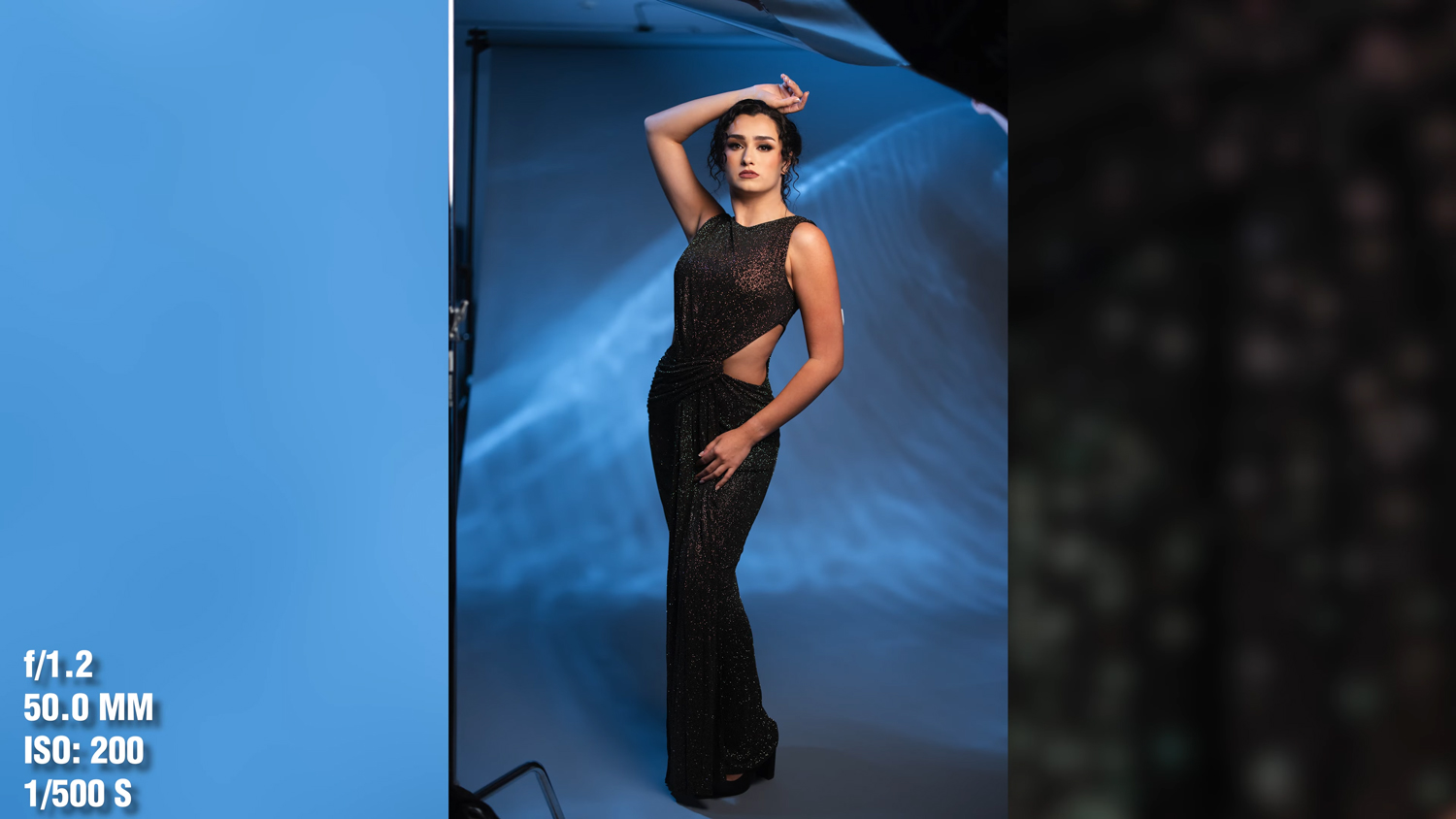
One of the fastest ways to change the mood of your creative portraits is to invert your color temperatures. For the second look, we switched the background light to 5500 Kelvin. We then dropped the key light and the camera white balance down to 2700 Kelvin to match.

By doing this, the background suddenly appears as a cooler, blue toned gray. The model’s skin remains natural because the camera is balanced to the key light, but the background takes on an entirely different aesthetic. This allows you to get two completely different “sets” without ever moving a piece of furniture.

Experimental Lighting Techniques for a Monochromatic Glow

If you want a bold, high fashion look, you can try a monochromatic approach. By setting both the background and the key lights to a warm 2700 Kelvin or 3200 Kelvin, you can bathe the entire scene in a golden glow. While an all orange look might seem intense at first, it can produce a striking effect that looks intentional and high end.

Tips for Mastering Creative Portraits

A common trap for photographers is getting caught up in “perfect” technical settings. During this shoot, we were at ISO 800. While some might question why we were not at ISO 100, the truth is that the final image matters more than a specific number on your screen. You should use the settings that work for your specific environment and avoid getting caught up in the nonsense.

These lighting techniques show that creativity is not limited by your budget. With a bit of Mylar, a fan, and some experimentation with Kelvin temperatures, you can create a portfolio of creative portraits that look like they were shot with a much more expensive setup. The next time you feel stuck in a rut, grab a roll of reflective film and see where the light takes you.

Final Thoughts

On-location portrait photography does not have to be limited by harsh sunlight. With a reflector and a scrim, you can shape and control light in a way that enhances your subject and improves your images instantly.

If you are not already using a reflector regularly, this is your sign to start. It is one of the simplest and most effective tools you can add to your workflow, and it can make the difference between a decent photo and a standout portrait.

Master your light, and you will unlock the full potential of any location.

Leave a Reply

Want more content like this?

Check out our recent posts