


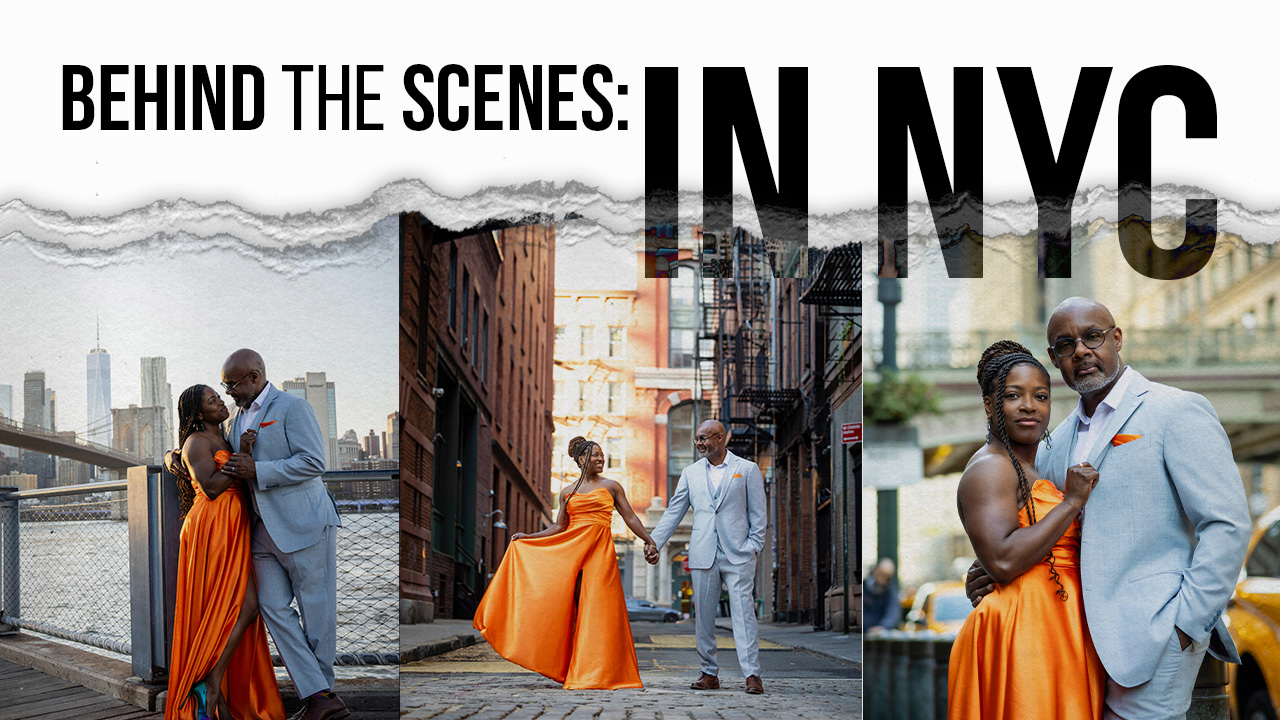
Equipment Used:
Team:
How Lens Choice and Compression Can Turn Any Scene Into a Strong Portrait
Great photography is not about finding perfect locations. It is about understanding how to use what is in front of you. One of the most powerful ways to elevate your images is through intentional lens choice and the creative use of compression. Even an ordinary or unattractive setting can become visually compelling when you apply these techniques correctly.
Let’s break down how lens choice and compression work together to transform a scene.
Why Lens Choice Matters More Than You Think
Lens choice is not just about zooming in or out. It directly impacts perspective, subject separation, and how the background interacts with your subject. Different focal lengths tell completely different visual stories.
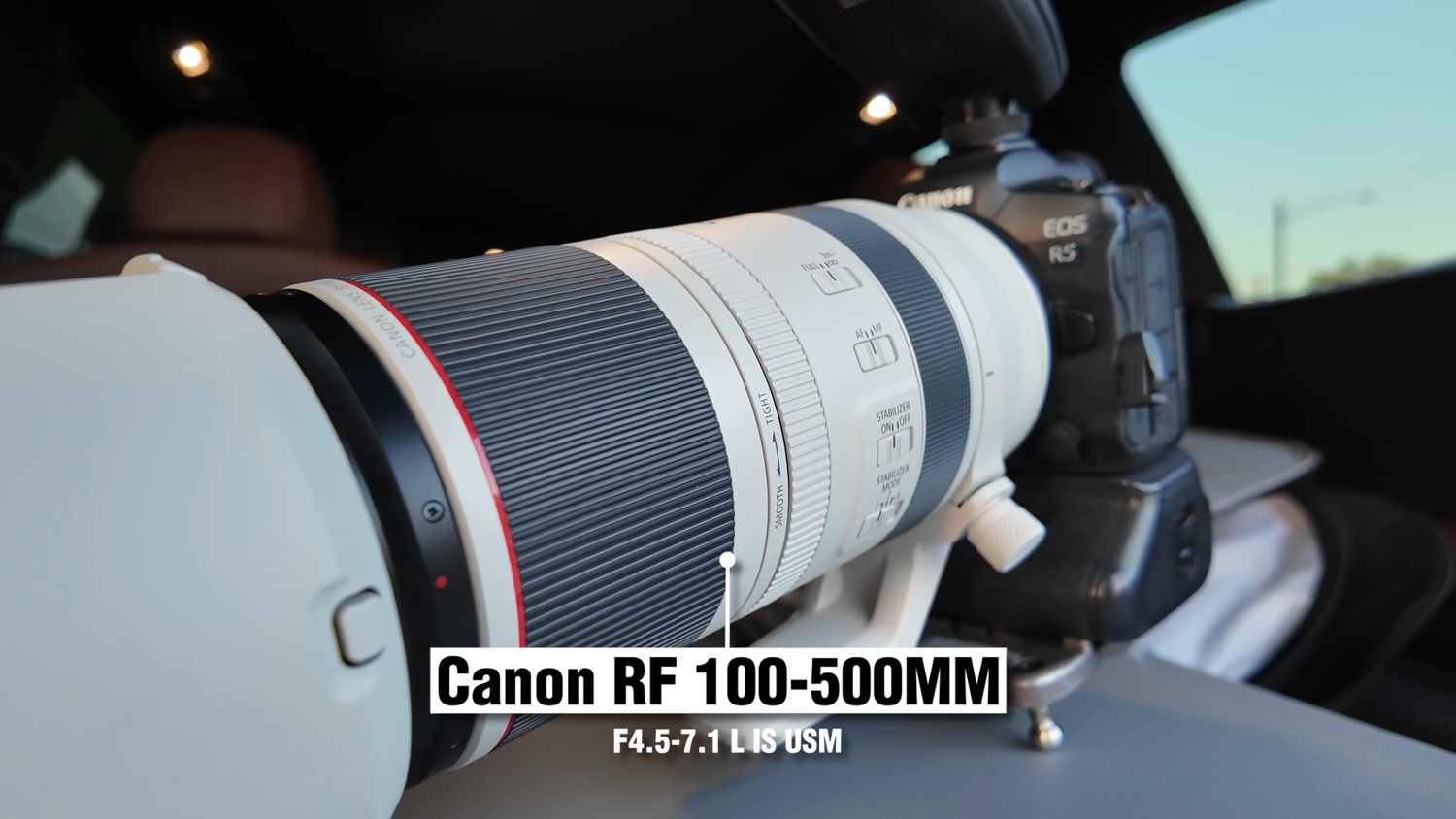
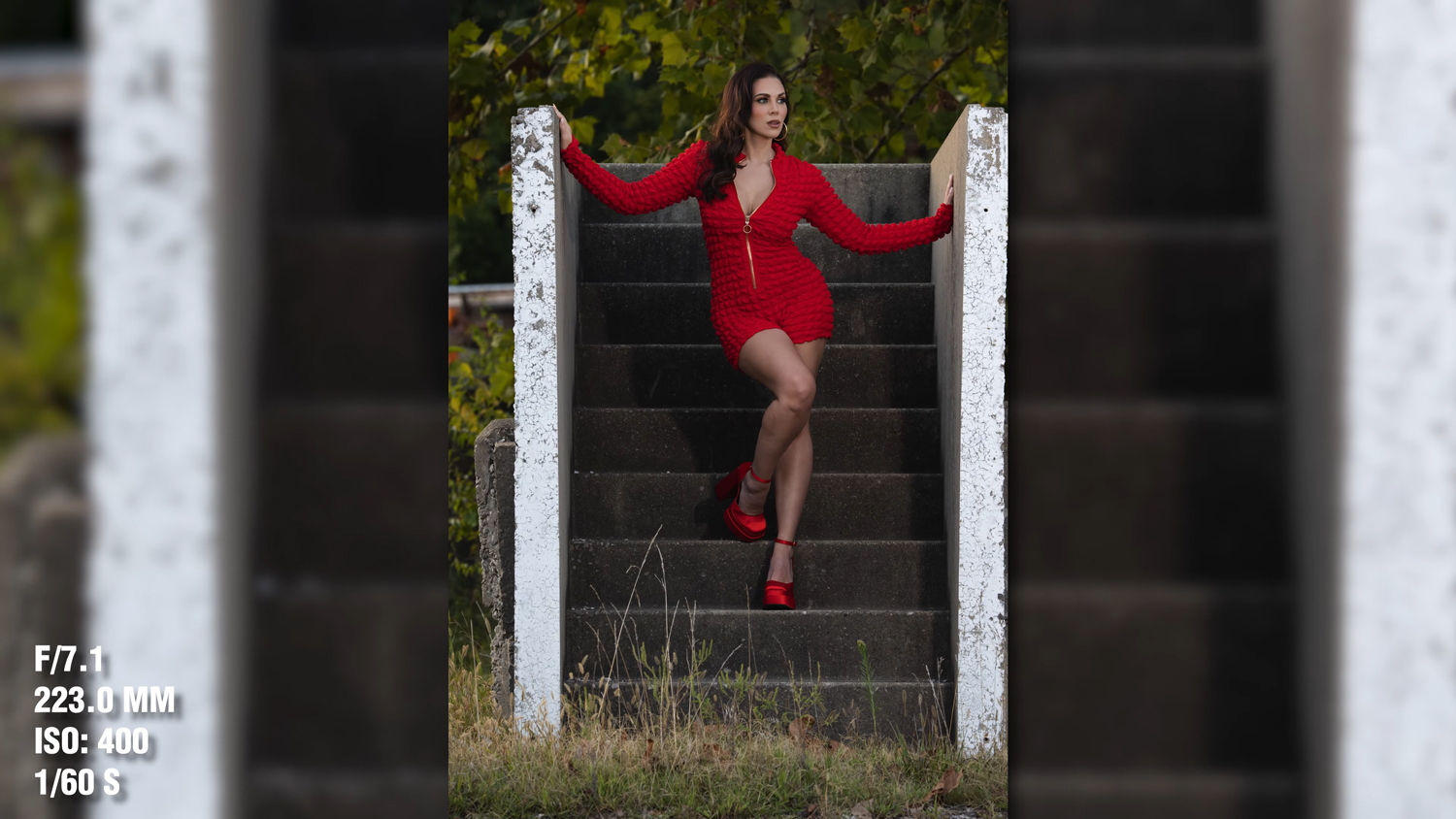
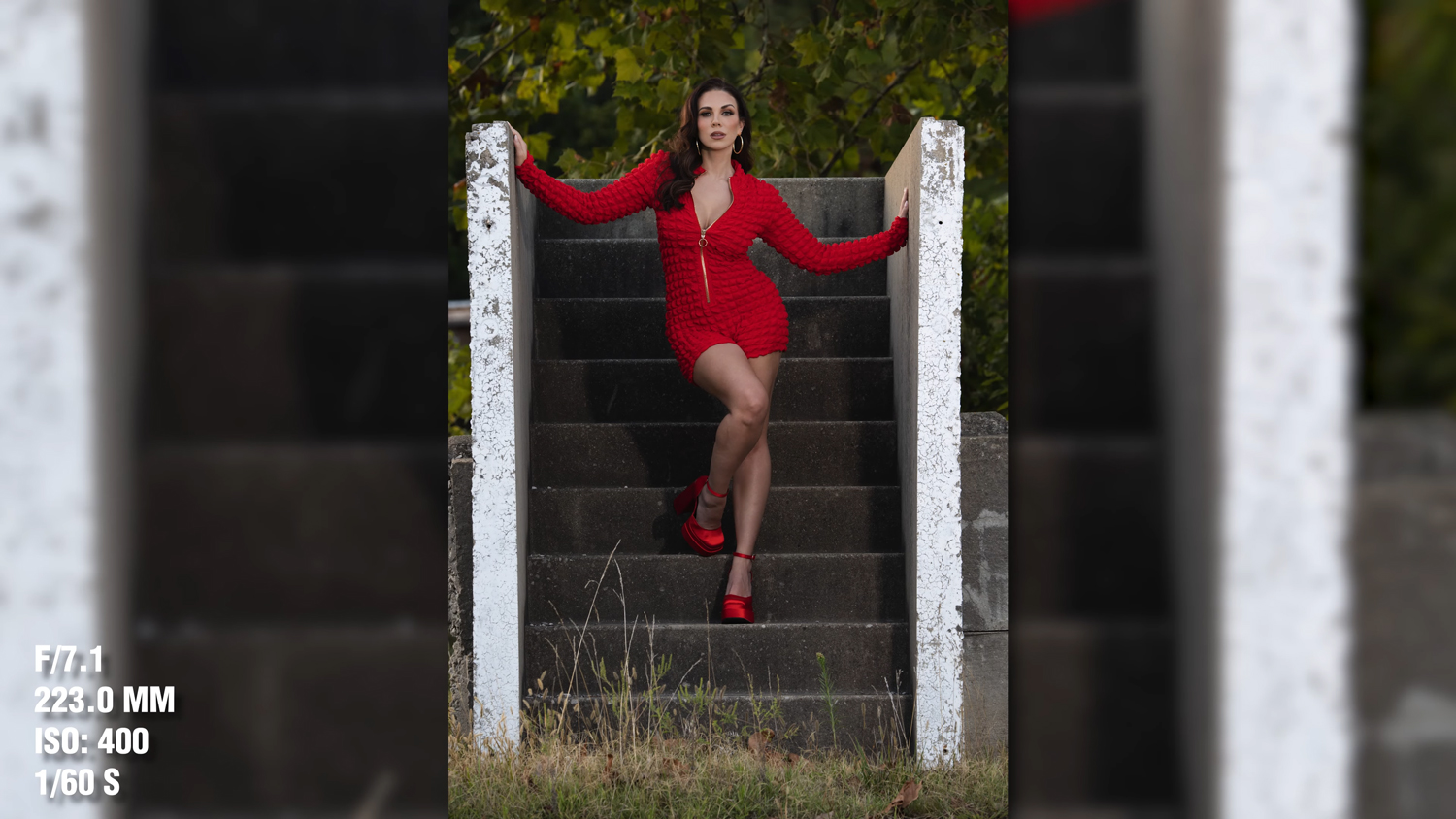
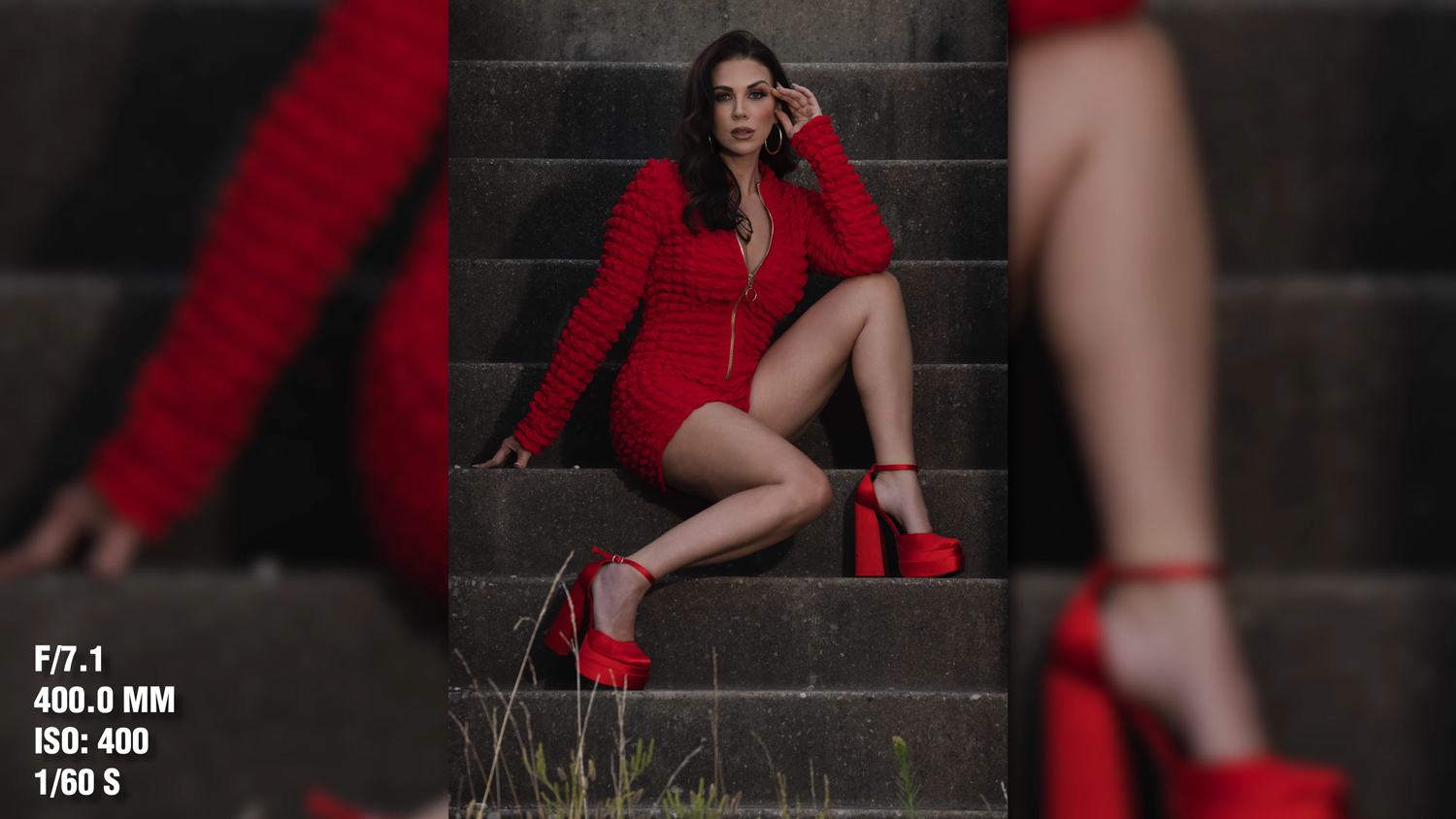
When you use a long lens, such as something in the 100mm to 500mm range, you are not just magnifying your subject. You are compressing the scene. This means the background appears closer to your subject, creating a layered and more dramatic look. This is especially useful when the environment itself is not visually appealing.
Instead of showing everything as it truly is, you are reshaping the scene to emphasize design and structure.
Understanding Compression in Photography
Compression happens when you shoot from farther away with a longer focal length. The distance between elements in the frame appears reduced, making everything feel tighter and more cohesive.
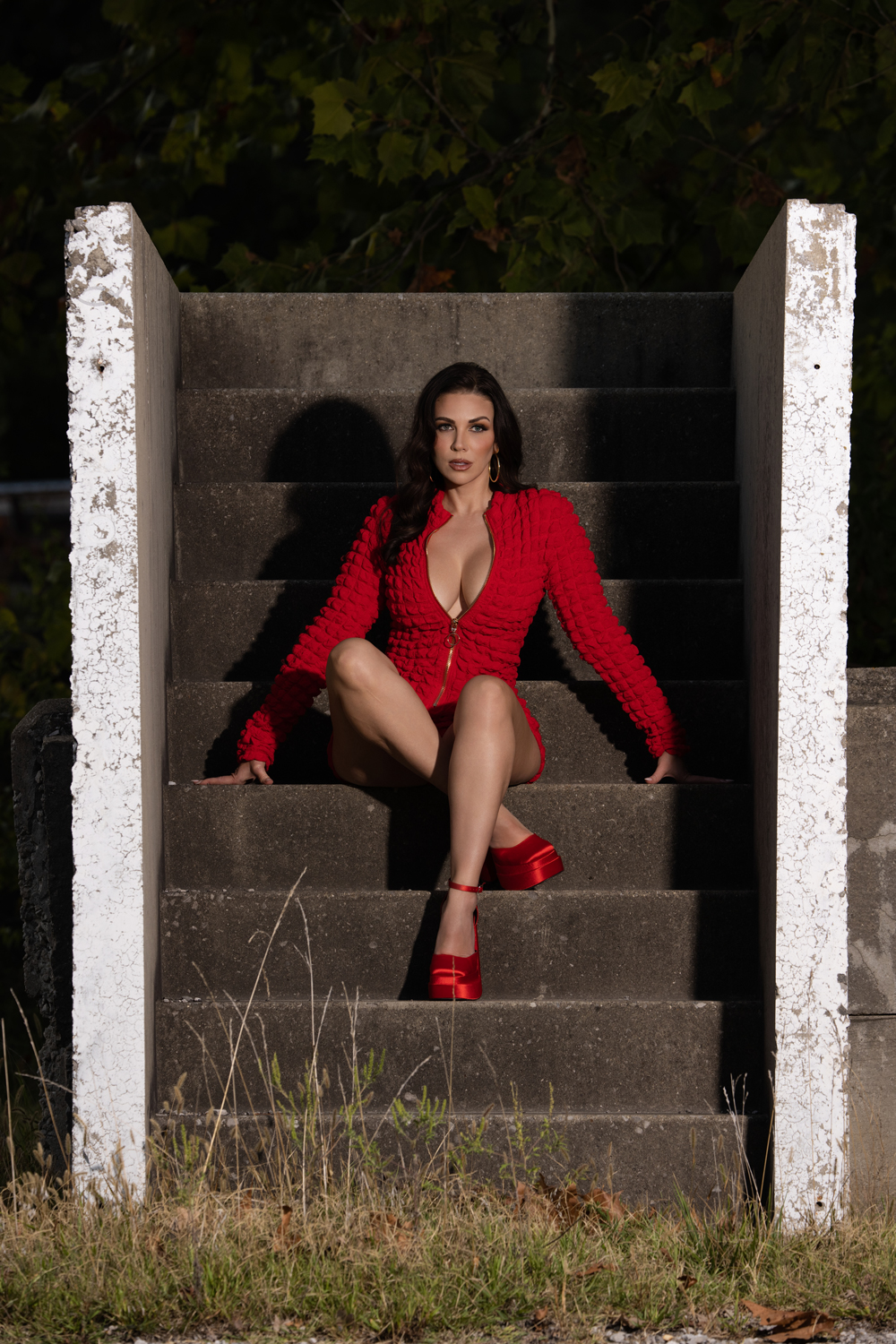
This can be incredibly powerful in portrait photography. For example, if you are shooting a subject on a staircase or in an urban setting, compression can make repeating patterns feel more pronounced. Lines, shapes, and textures become stronger visual elements instead of distractions.
The result is a cleaner, more intentional composition that feels designed rather than accidental.
f/7.1 @ 1/200, ISO 400
Using Distance to Your Advantage
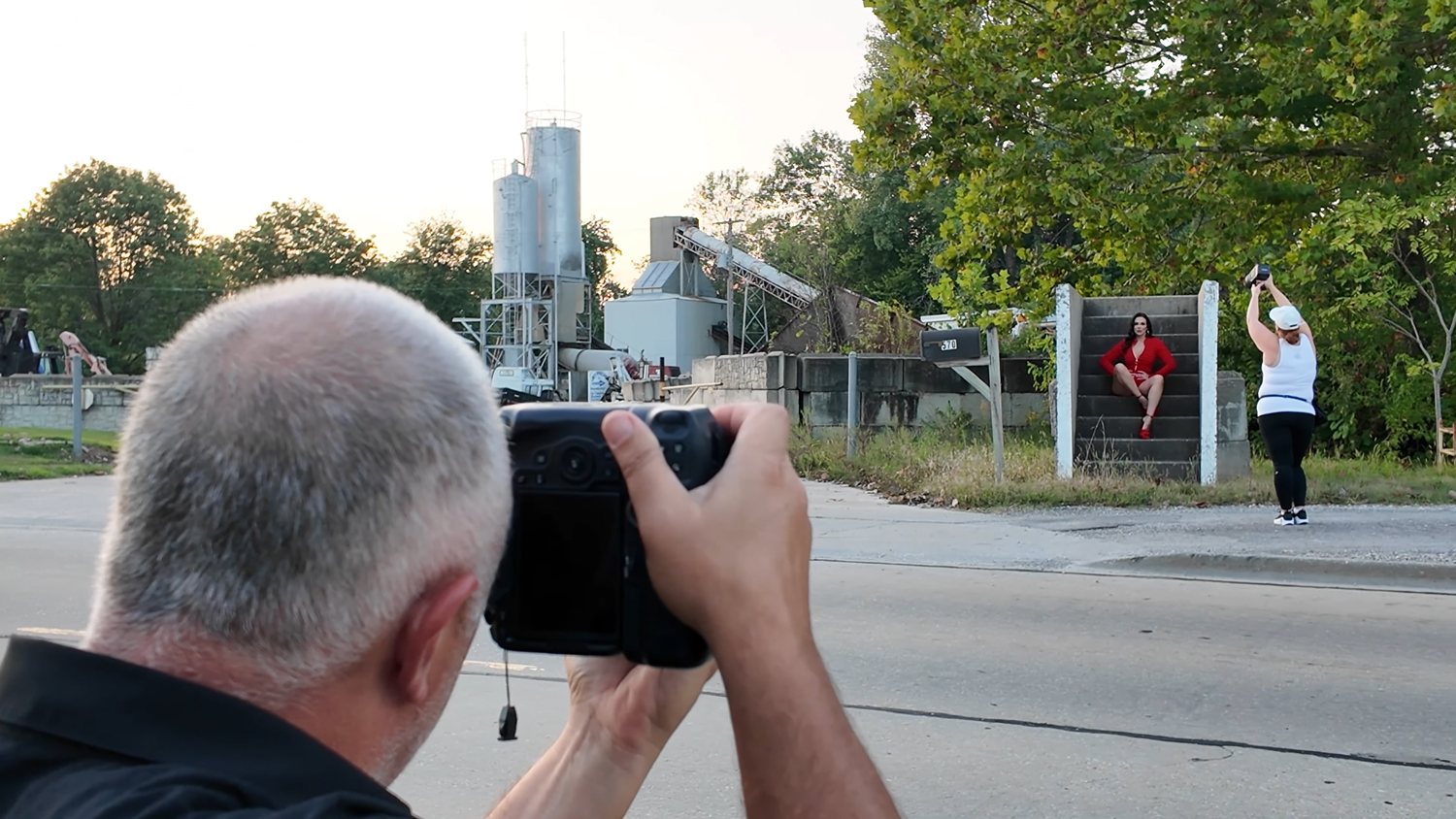
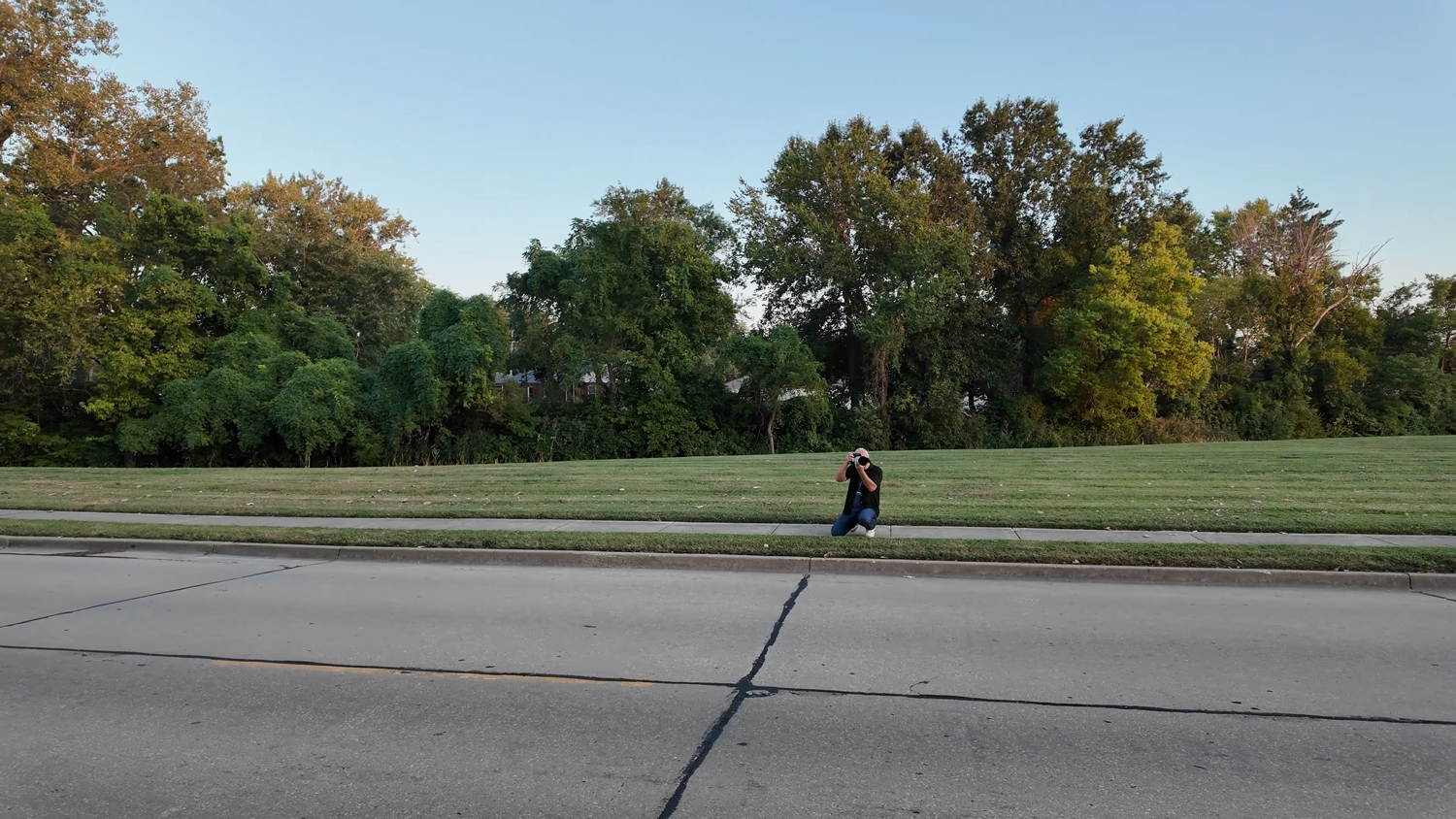
One of the key factors in achieving compression is physical distance. To get that compressed look, you need to step back from your subject and zoom in. This does two things.
First, it narrows your field of view so you are only including the most important parts of the scene. Second, it enhances the relationship between foreground and background elements, making them feel closer together.
This approach is especially useful in less-than-ideal locations. A plain or industrial space can suddenly feel dynamic when lines and structures are stacked tightly within the frame.
Pairing Compression with Lighting
Lens choice and compression are even more effective when paired with intentional lighting. By underexposing your ambient light and introducing a strong flash, you can create a dramatic and focused look.
This technique helps separate your subject from the background while maintaining the compressed feel of the scene. The background becomes a graphic element rather than a distraction, and your subject stands out with clarity and impact.
Harsh lighting can also enhance textures and shapes, which works well with compressed compositions that rely on structure.
Switching It Up for Variety
While long lenses and compression create a bold and dramatic look, switching to a wider lens can give you a completely different result. For example, using a 50mm lens allows more of the environment to breathe and feel natural.
This contrast is useful during a shoot. You can capture both tightly compressed, high-impact portraits and more relaxed, environmental images in the same location. Adding a reflector can help maintain catchlights in the eyes, especially as natural light fades.
The key is to stay flexible and intentional with your lens choice based on the story you want to tell.
Final Thoughts
Lens choice and compression are essential tools for any photographer who wants to create compelling portraits in any environment. By understanding how focal length, distance, and perspective work together, you can turn even the most ordinary location into something visually striking.
The next time you find yourself in a less-than-perfect setting, do not change the location. Change your lens choice. Step back, zoom in, and use compression to reshape the scene.
That is where the magic happens.