An interview with Sal Cincotta
If you don’t know Sal Cincotta, he is the Editor-in-Chief of Shutter Magazine, the creator of ShutterFest, and of course, an active wedding and portrait

If you don’t know Sal Cincotta, he is the Editor-in-Chief of Shutter Magazine, the creator of ShutterFest, and of course, an active wedding and portrait

So many of you have taken the approach of simply kicking back and waiting to see what happens to your business “naturally.” Guess what? Virtually nothing happens naturally in this business, which is why God created marketing. And just like building your skill set, marketing never stops. Let’s come up with a game plan or at least a check-off list for you to work with the rest of the year.
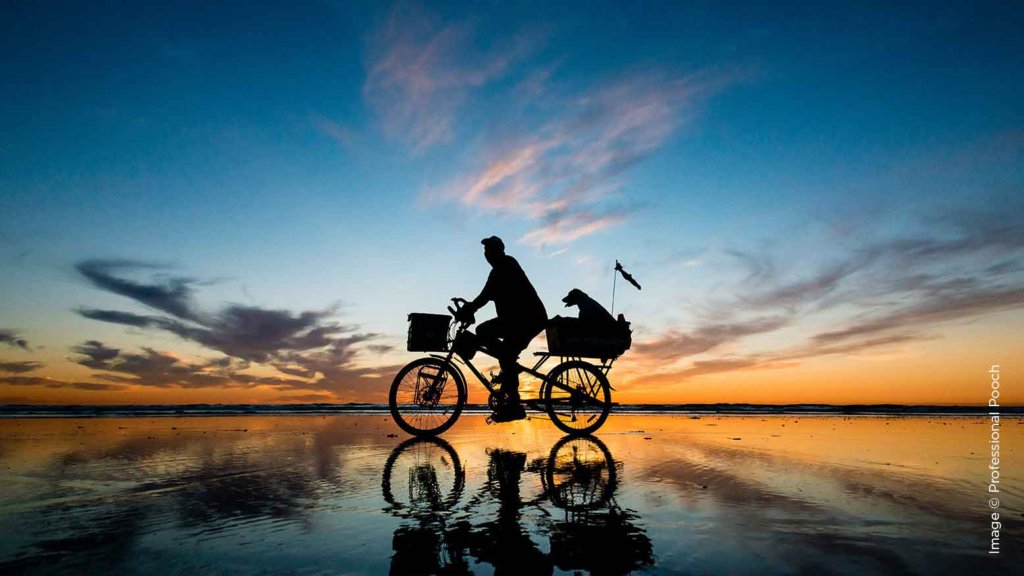
If you’ve never photographed a dog before, it’s an experience fairly similar to photographing a toddler—except we think it’s way more awesome, because dogs give kisses and have wiggly butts. What makes photographing dogs different is that their bodies are low to the ground, they have fur of all colors, some listen better than others and, because of all these factors, we have to think a little differently about lighting.
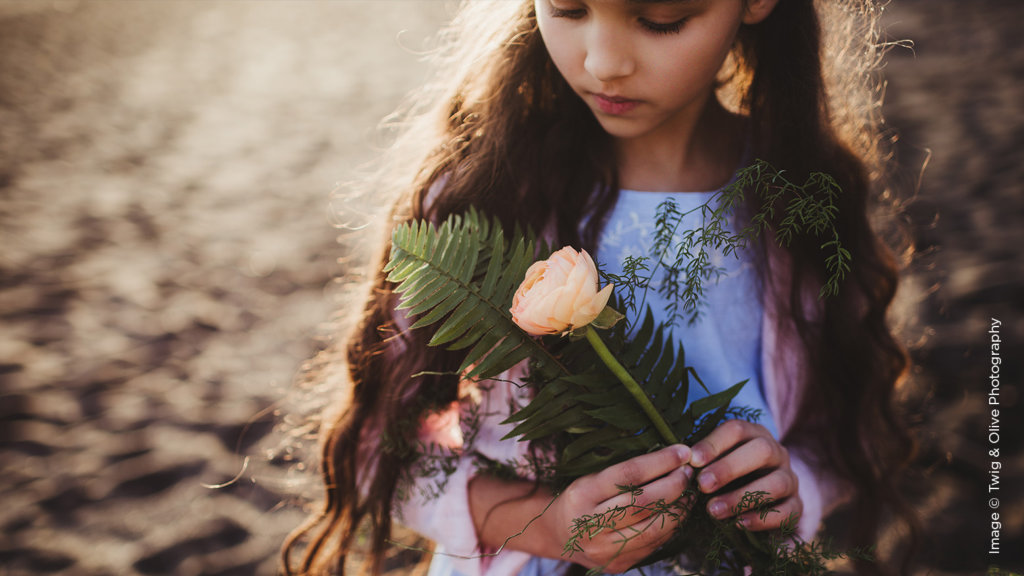
In this issue, you’re reading exceptional advice on shaping light with strobes, softboxes and speedlights. But what if you’re limited to available, natural light? There are unique challenges. What you gain in reduced gear, setup and purchases, you lose in flexibility. Yet there’s a distinctive beauty in using only the sun. With care, it can produce timeless imagery.
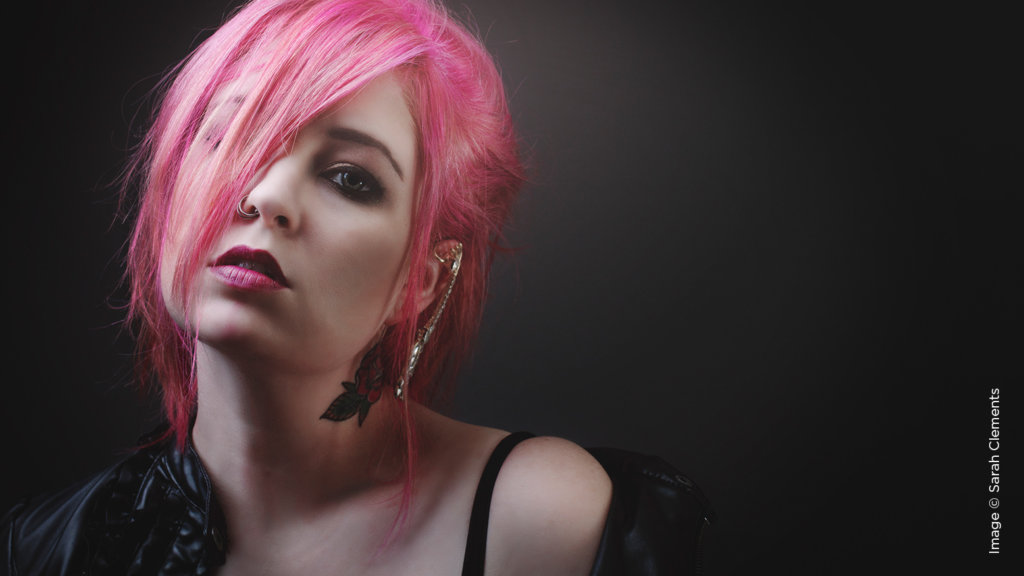
Self-portraits are not easy. They’re hard mentally and emotionally for myriad reasons, and they’re hard physically (especially if you don’t use an assistant). Lighting doesn’t have to be difficult, though. On the contrary, lighting your self-portrait should be a fun challenge. I’m going to outline some ways I’ve lit my own self-portraits to give you a good foundation.
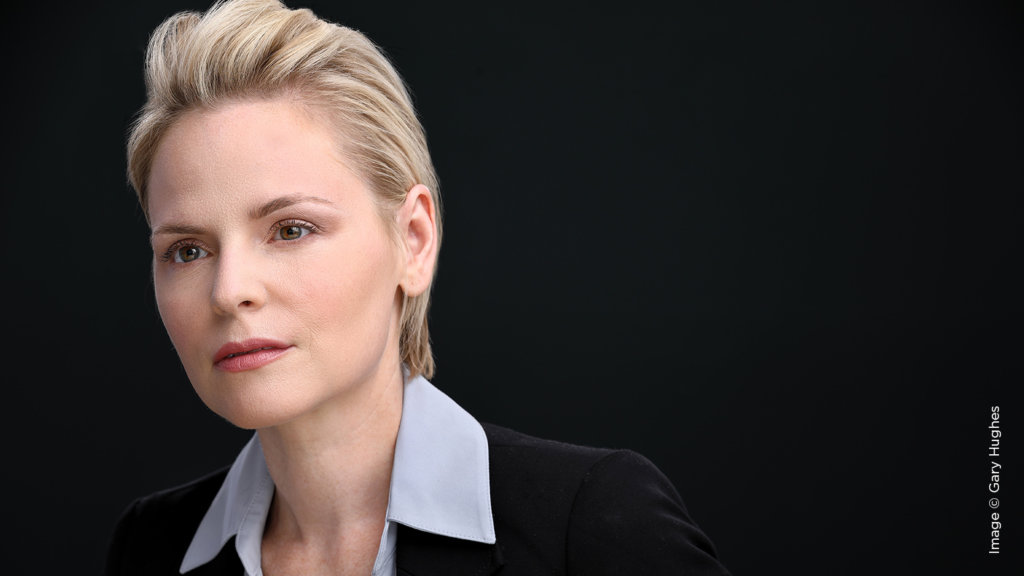
My first paying gig as a photographer was shooting headshots of doctors at a medical convention, packed into a tiny corner of a trade show booth. Back then I didn’t quite understand the impact that type of situation would have on my methods of lighting. Every technique I developed over the next decade was based around learning to shoot a great, professional portrait quickly and in just about any location. I’ve since refined the process, and have found that most of my lighting for high-volume headshots can be categorized into three main techniques.
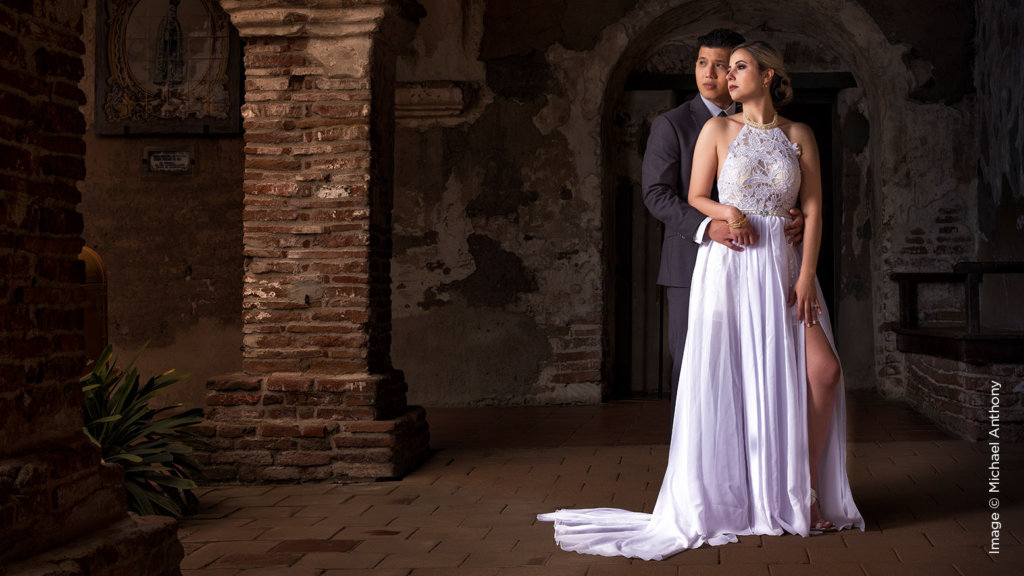
We are currently going through a lighting revolution. Off-camera flash technology is progressing quickly. The technology for low-noise, high-ISO sensors has improved over the past five years. Flashes are becoming less expensive and coming with more features.
If you are not using off-camera flash, there has never been a better time to start. Here are a few of my recommendations for equipment.
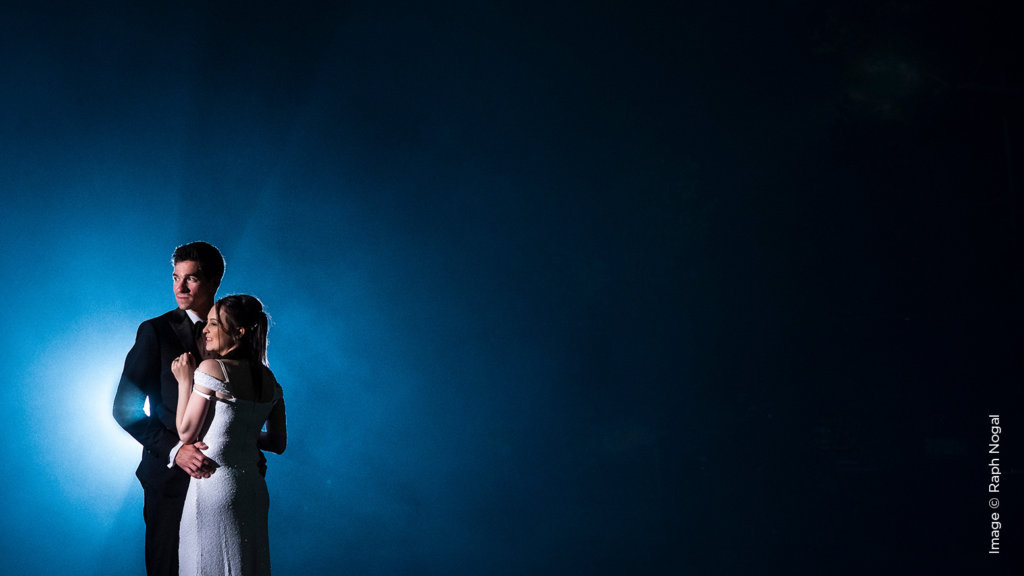
Light is pretty much everywhere, you just have to find it. Just because you find light doesn’t mean it is good light. As a full-time wedding photographer, it’s part of my job to find the best light to flatter my subjects. My groom wants to look cool and my bride wants to look beautiful. When good light is available, I’ll certainly use it, but it’s not always there. But guess what is always available? My off-camera flash.
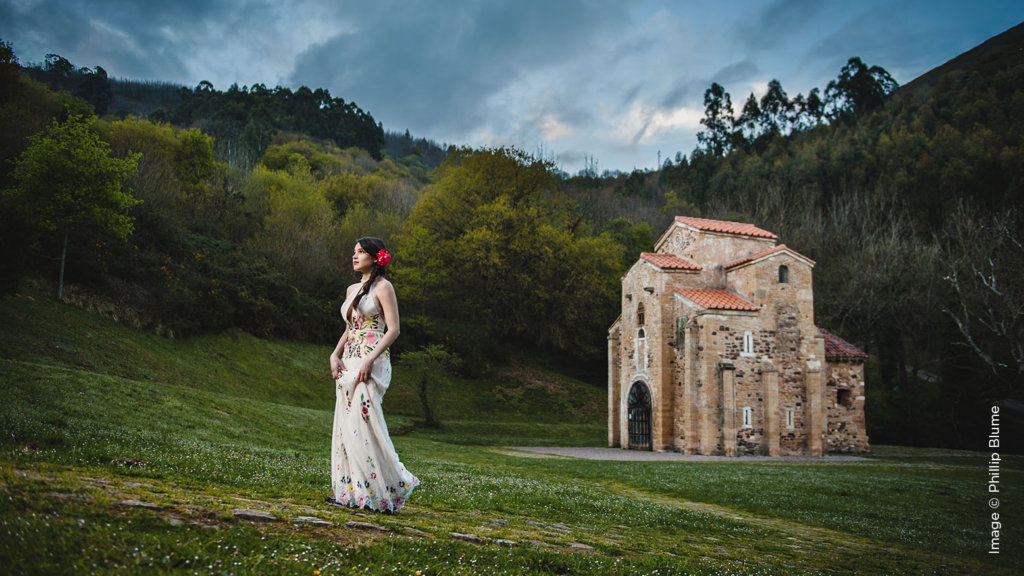
As a photographer known for my creative use of small “pocket” flashes, I long resisted transitioning into the world of larger studio strobes. But I did my research and became intrigued by Phottix’s system. If you shoot like I do, Phottix may be your ideal all-in-one setup for powerful, portable destination photography.
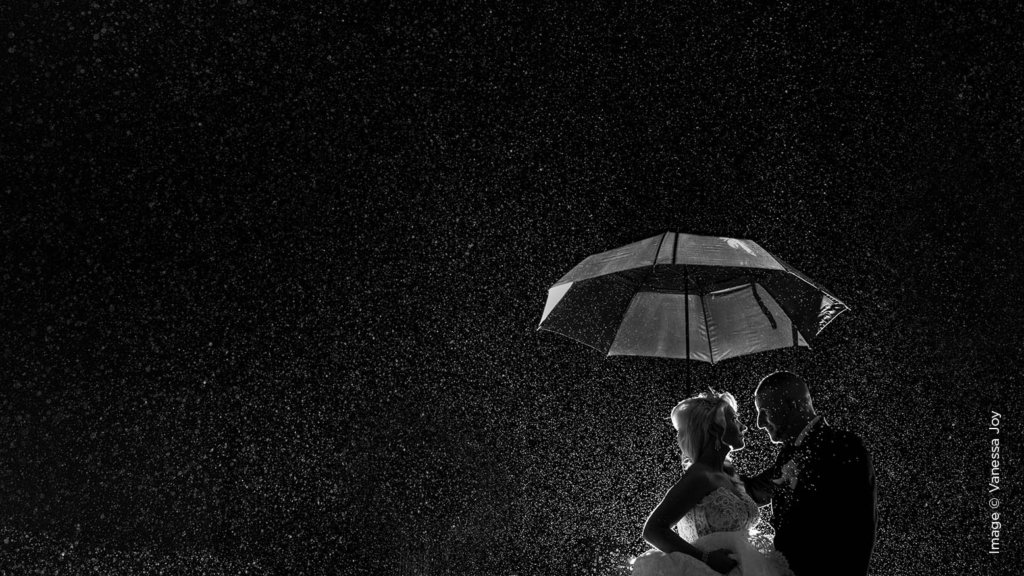
Nothing affects your ability to gain and maintain business like learning how to light in a way that defines your brand image. If you haven’t honed in on your photography brand image yet, now is the time to start. You have control over lighting like no other businessperson does. There are three easy ways you can start displaying a strong brand using lighting as your guide.